

Blog
How to Build a Product Range for HTV Wholesalers

Building a competitive product range is essential for heat transfer vinyl wholesalers who want to serve different customer segments, manage inventory efficiently, and increase repeat orders. A well-planned range should combine everyday materials, specialty finishes, and products for specific garment decoration applications.
For importers, distributors, and printing supply businesses, the goal is not to stock every available type of vinyl. Instead, it is to select products based on customer demand, application requirements, price positioning, and supplier reliability.
How Can HTV Wholesalers Build a Competitive Product Range?
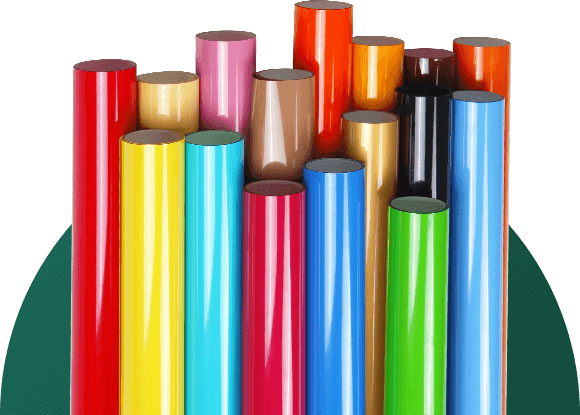
VISION offers a broad selection of heat transfer vinyl, including PU, PVC, glitter, flock, holographic, metallic, reflective, and 3D puff HTV. This variety gives wholesale buyers options for developing product portfolios suited to their local markets.
1. Start with Core HTV Products for Everyday Demand
Core products should form the foundation of a wholesale HTV portfolio. These are materials that customers can use regularly for T-shirts, uniforms, promotional clothing, and personalized apparel.
PU Heat Transfer Vinyl
PU heat transfer vinyl is a useful starting point for wholesalers serving customers who prioritize flexibility, a relatively soft feel, and detailed garment graphics. It can be considered for cotton, polyester, and suitable cotton-polyester blends, subject to the specific product instructions.
 Stock planning can begin with commonly requested colors and widths. Before expanding color inventory, wholesalers should review actual sales data and customer feedback.
PVC Heat Transfer Vinyl
PVC heat transfer vinyl provides another option for buyers comparing material characteristics and price points. PU and PVC differ in thickness, flexibility, handling, and cost, so neither should be treated as a universal replacement for the other.
Offering both types allows distributors to discuss application requirements and budget considerations with different customers.

PVC heat transfer vinyl for Tshirt
2. Add Specialty HTV to Serve Different Market Segments
Once the core range is established, specialty products can help wholesalers serve customers looking for distinctive finishes and higher-value customization options.
Consider adding the following categories according to local demand:
-
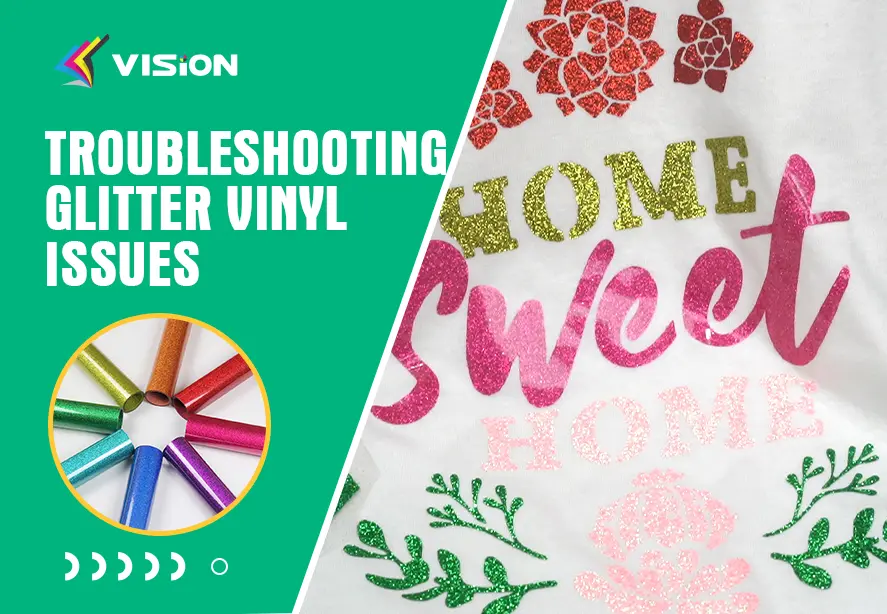
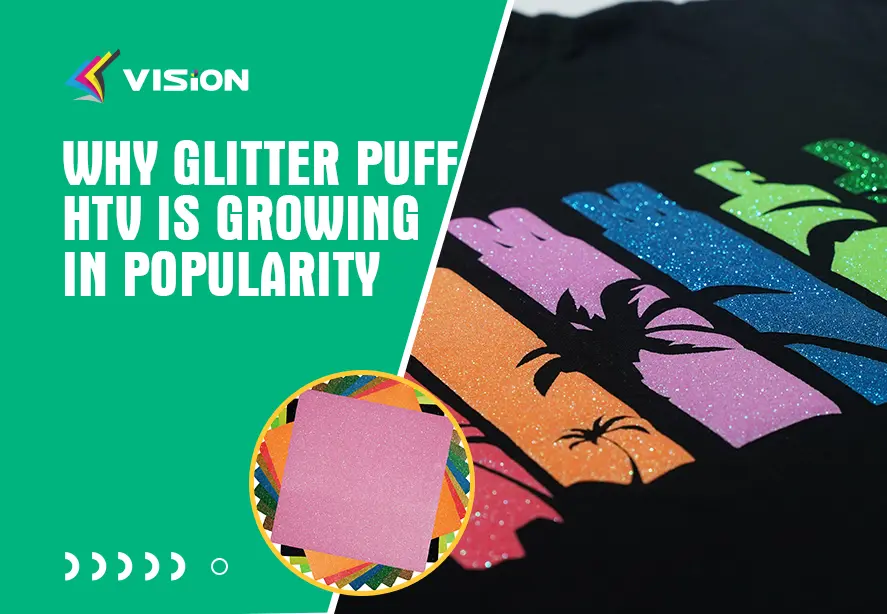
Glitter heat transfer vinyl: Suitable for decorative apparel, fashion designs, and personalized gifts that require a sparkling finish.
-
Flock heat transfer vinyl: Creates a soft, raised, velvet-like texture for clothing and accessories.
-
Holographic heat transfer vinyl: Adds a reflective, multicolor visual effect to customized garments.
-
Metallic heat transfer vinyl: Offers a metallic appearance for logos, lettering, and decorative graphics.
-
Reflective heat transfer vinyl: Provides a reflective finish for suitable garment decoration applications.
-
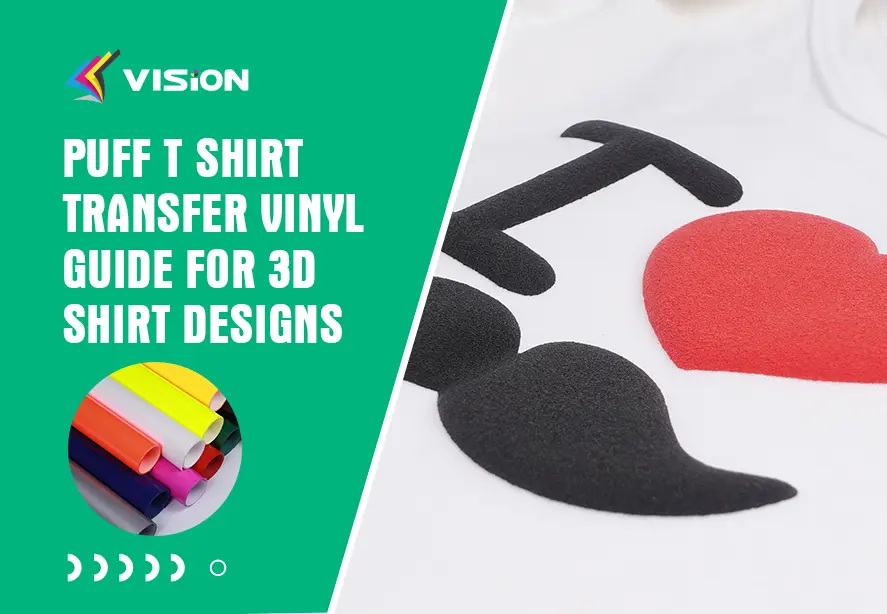
3D puff heat transfer vinyl: Creates a raised visual effect for selected lettering and graphic designs.
You do not need to purchase every specialty product in large quantities immediately. A practical approach is to introduce selected colors or finishes, test customer response, and increase stock according to actual sales.
3. Organize Your Range by Customer Type
Different customers have different purchasing priorities. Organizing your portfolio around customer segments can make product selection and sales conversations more effective.
| Customer segment | Suggested product focus |
|---|---|
| T-shirt printing shops | PU HTV, standard colors, selected specialty finishes |
| Uniform and workwear suppliers | Suitable standard HTV and application-specific materials |
| Fashion and personalized apparel brands | Glitter, flock, holographic, metallic, and 3D puff HTV |
| Sign and advertising material distributors | Core HTV colors, popular specialty finishes, and practical roll formats |
| Regional wholesalers and importers | A balanced selection of core products and tested specialty lines |
These are starting points rather than fixed rules. Actual product selection should reflect customer applications, local demand, equipment compatibility, and relevant product specifications.
4. Balance Product Variety with Inventory Control
A broad catalog can attract more customers, but excessive stock can increase storage costs and tie up working capital.
HTV wholesalers can improve inventory planning by dividing products into three groups:
Core products: Frequently ordered materials and colors that justify regular replenishment.
Growth products: Specialty finishes showing increasing demand or generating new customer inquiries.
Test products: New colors, textures, or product types purchased in smaller quantities to evaluate market response.
Review sales by product type, color, roll size, and customer segment. Replenish proven products more frequently and avoid committing to large quantities of untested variations.
For international buyers, also consider carton dimensions, roll protection, shipping costs, lead times, and expected sales during seasonal peaks.
5. Evaluate Your HTV Wholesale Supplier
Product variety is only one part of a successful wholesale business. Consistent specifications, dependable communication, and suitable packaging also matter when serving repeat customers.
Before selecting a heat transfer vinyl manufacturer, consider these questions:
-
Does the supplier offer the core and specialty HTV products your customers need?
-
Are technical specifications, available colors, roll dimensions, and application instructions clearly documented?
-
Can you request samples before committing to a bulk order?
-
Can the supplier support repeat orders with consistent product specifications?
-
Are OEM packaging, custom branding, or other customization options available for your requirements?
-
Are minimum order quantities, production lead times, and shipping arrangements suitable for your business?
VISION supplies multiple types of heat transfer vinyl for wholesale buyers. Contact the team to confirm current product availability, specifications, sample options, and customization services.
Build Your HTV Wholesale Product Range with VISION
VISION supplies heat transfer vinyl for wholesale across a range of standard and specialty categories, helping importers, distributors, and printing supply businesses evaluate different options for their markets.
Whether you are expanding an existing catalog or developing a new HTV product line, our team can help you review available materials, colors, roll specifications, and potential OEM/ODM requirements.
Contact VISION to discuss your wholesale requirements:
Email: info@visionsub.com
WhatsApp: +86 18001836806
Related:
Heat Transfer Vinyl on Different Fabrics: Pros, Cons & Tips
Create Christmas T-Shirts with 3D Puff Heat Transfer Vinyl
How to Prevent Peeling and Cracking with Heat Transfer Vinyl?
What fabric is best for heat transfer vinyl?
Creative Projects with Glitter Heat Transfer Vinyl
9 Do’s and 9 Don’ts of Layering Heat Transfer Vinyl
Best Heat Settings for PU Heat Transfer Vinyl