

Blog
Heat Transfer Vinyl on Different Fabrics: Pros, Cons & Tips

Importance of Fabric Choice for Heat Transfer Vinyl
Choosing the right fabric is the foundation of every successful heat transfer vinyl project. Whether we are customizing T-shirts, tote bags, hoodies, sportswear, or promotional products, the fabric directly affects adhesion, durability, flexibility, and the final appearance of the design. Many crafters and printing businesses focus heavily on vinyl quality and heat press settings while overlooking the most critical factor — the material itself. Even the highest-quality HTV can peel, crack, fade, or lift if applied to incompatible fabrics. To achieve professional results, we must understand exactly which fabrics work best with HTV and which materials should be avoided.What Is Heat Transfer Vinyl?
Heat transfer vinyl is a specialty vinyl material designed to be cut into shapes or lettering and applied onto fabrics using heat and pressure. HTV typically includes a heat-activated adhesive backing that bonds with textile fibers during pressing. Popular HTV finishes include:- Matte HTV
- Glossy HTV
- Glitter HTV
- Metallic HTV
- Reflective HTV
- Stretch HTV
- PU Heat Transfer Vinyl
- PVC Heat Transfer Vinyl
- Flock HTV
- Glow-in-the-dark HTV
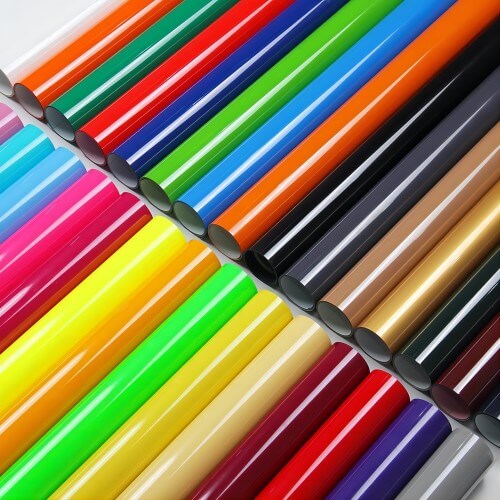
PU htv vinyl
Fabrics Works well with Heat Transfer Vinyl
1. Cotton – The Best Overall Fabric for HTV
Why Cotton Works Perfectly
Cotton is widely considered the best fabric for heat transfer vinyl because it provides:- Excellent heat resistance
- Strong adhesive bonding
- Smooth surface texture
- Long-lasting durability
- Easy pressing conditions
Best Cotton Fabrics for HTV
- 100% Cotton T-Shirts
- Cotton hoodies
- Cotton tote bags
- Cotton canvas
- Cotton sweatshirts
- Cotton aprons
Recommended Press Settings
- Temperature: 305°F–320°F
- Pressure: Medium to firm
- Time: 10–15 seconds

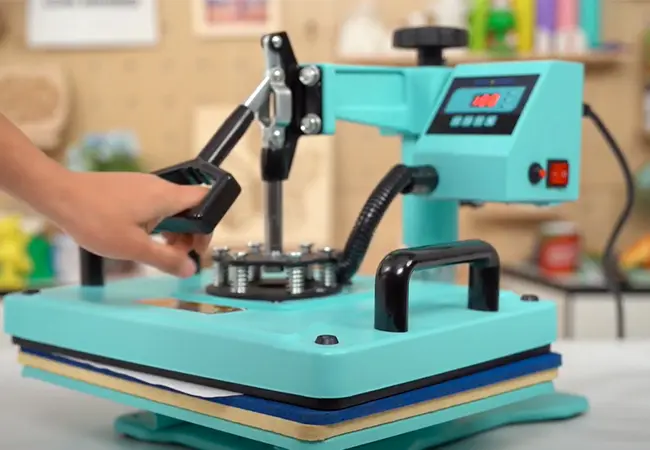
heat press transfer
Advantages of Cotton
- Minimal peeling
- Excellent wash durability
- Bright vinyl appearance
- Easy weedability and application
Potential Drawbacks
Cotton can shrink after washing if pre-shrinking is not done properly. Always pre-press garments for a few seconds to remove moisture and wrinkles before applying HTV.2. Polyester – Excellent for Sportswear and Performance Apparel
Why Polyester Is Popular
Polyester is heavily used in:- Athletic wear
- Jerseys
- Sublimation garments
- Sports uniforms
- Activewear
Benefits of Polyester
- Smooth surface
- Lightweight feel
- Excellent stretch compatibility
- Moisture-wicking performance
Challenges with Polyester
Polyester is heat-sensitive. Excessive temperatures can cause:- Fabric scorching
- Dye migration
- Gloss marks
- Melting
Best HTV for Polyester
- Low-temperature HTV
- Stretch HTV
- Performance HTV
Ideal Heat Settings
- Temperature: 270°F–290°F
- Pressure: Medium
- Time: 8–12 seconds
Important Tip
Use a Teflon sheet or parchment paper to protect polyester garments during pressing.3. Cotton-Poly Blends – A Balanced Choice
Why Blended Fabrics Work Well
Cotton-poly blends combine the softness of cotton with the durability of polyester. Common ratios include:- 50/50 blends
- 65/35 blends
- Tri-blends
Advantages
- Less shrinking
- Better wrinkle resistance
- Comfortable wear
- Strong HTV adhesion
Recommended Vinyl Types
- PU HTV
- Stretch HTV
- Thin professional-grade HTV
Best Uses
- Fashion T-shirts
- Casual wear
- Branded uniforms
- Promotional clothing
4. Canvas – Perfect for Bags and Accessories
Canvas is one of the most reliable materials for HTV applications.Why Canvas Performs Well
Canvas has a thick and durable surface that withstands high pressure and temperature. HTV adheres exceptionally well to canvas products.Popular Canvas Projects
- Tote bags
- Pencil cases
- Cosmetic bags
- Shoes
- Home décor items
Advantages
- Long-lasting adhesion
- Excellent for layered HTV
- Durable for daily use
Pressing Recommendation
Apply firm pressure to ensure vinyl bonds properly with the textured surface.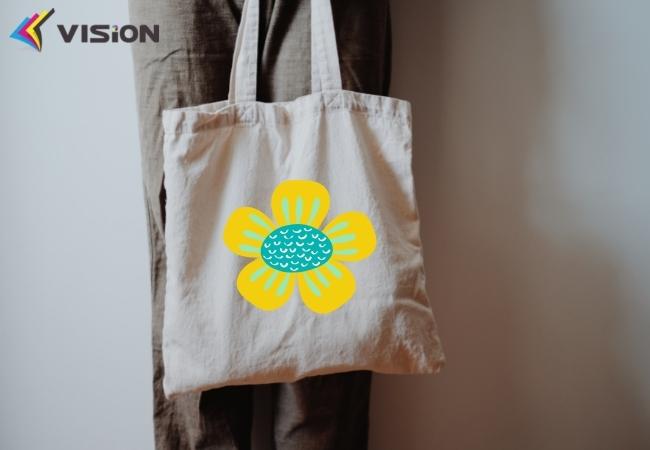
HTV vinyl on canvas bag
5. Denim – Stylish and Durable for HTV
Denim offers a fashionable and rugged appearance for HTV customization.Best Denim Applications
- Jackets
- Jeans
- Patches
- Tote bags
- Fashion accessories
Tips for Success
Denim thickness requires:- Higher pressure
- Flat pressing surface
- Preheating before application
Recommended HTV
- Flock HTV
- Glitter HTV
- Matte HTV
6. Lycra and Spandex – Great with Stretch HTV
Stretchable fabrics require specialized HTV products.Why Standard HTV Fails on Stretch Fabrics
Traditional vinyl may crack or peel when stretched repeatedly.Best Solution
- Stretch HTV
- Elastic PU vinyl
- Thin flexible HTV
Applications
- Yoga pants
- Compression shirts
- Swimwear
- Dancewear
- Gym apparel
Key Pressing Advice
Avoid excessive pressure, which can distort elastic fibers.Fabrics That Do NOT Work Well with Heat Transfer Vinyl
1. Nylon – Difficult but Possible
Nylon is notoriously challenging because of its:- Water-resistant coating
- Slick surface
- Heat sensitivity
Common Problems
- Vinyl lifting
- Weak adhesion
- Melting
- Surface damage
Can HTV Work on Nylon?
Yes, but only with:- Specialized nylon HTV
- Lower heat settings
- Careful pressure control
Best Applications
- Windbreakers
- Backpacks
- Umbrellas
2. Silk – Not Recommended
Silk is too delicate for standard HTV application.Why Silk Fails
- Cannot tolerate high heat
- Easily scorched
- Surface damage occurs quickly
3. Wool – Difficult and Inconsistent
Wool textures create adhesion challenges.Problems with Wool
- Uneven surface
- Heat sensitivity
- Fiber distortion
4. Waterproof or Coated Fabrics
Coated materials are designed to repel moisture and chemicals — including HTV adhesive.Common Examples
- Rain jackets
- Waterproof backpacks
- Outdoor gear
Why HTV Struggles
The adhesive cannot properly penetrate coated surfaces. Selecting the correct fabric is the key to achieving flawless Heat Transfer Vinyl results. Cotton remains the top overall choice because of its durability, heat resistance, and excellent adhesive compatibility. Polyester performs exceptionally well for sportswear when low-temperature HTV is used, while stretch fabrics require specialized elastic vinyl products. At the same time, delicate or coated materials like silk, wool, and waterproof fabrics often lead to poor adhesion and disappointing results. Understanding fabric behavior allows us to create long-lasting, professional-quality HTV projects with superior appearance and durability. Related: Best Temperature and Pressure Settings for Heat Transfer Vinyl 5 Essential Tools for Perfect Heat Transfer Vinyl Application Why Your Heat Transfer Vinyl Is Lifting – How to Fix It Fast 10 Pro Tips for Perfect Heat Transfer Vinyl Application How to Prevent Peeling and Cracking with Heat Transfer Vinyl? What fabric is best for heat transfer vinyl?Related Posts
Is Heat Transfer Vinyl the Same as Iron On Vinyl?

When entering the world of garment decoration, custom apparel, DIY clothing, and textile personalization, one question appears repeated...
Can You Layer Heat Transfer Vinyl?
Yes, you can layer heat transfer vinyl, and it is one of the most powerful techniques for creating multi-color, highly detailed, and pr...
How to Weed Heat Transfer Vinyl
Heat Transfer Vinyl has become one of the most popular materials for creating custom apparel, promotional products, tote bags, hats, an...
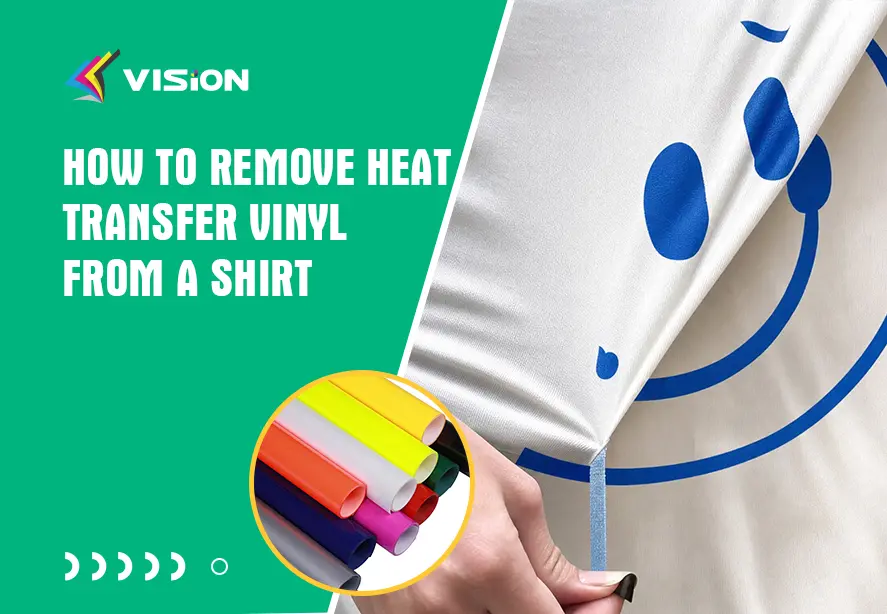
How to Remove Heat Transfer Vinyl from a Shirt
Heat transfer vinyl can inspire DIY lovers with many ideas and creative ways to print T-shirts. But in real practice, it’s inevitable t...
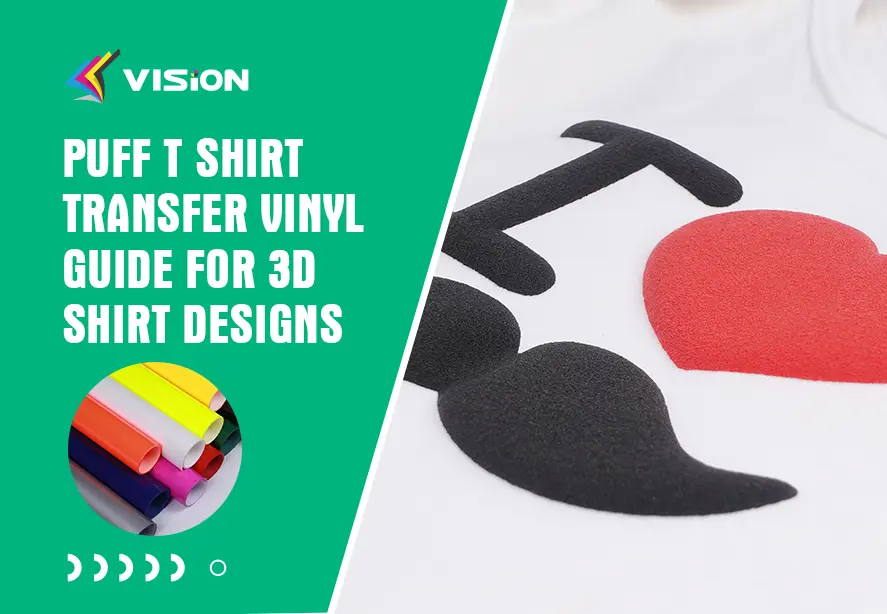
Puff T Shirt Transfer Vinyl Guide for 3D Shirt Designs
Custom apparel is no longer limited to flat graphics and standard heat transfer effects. Today, brands, print shops, fashion startups, ...
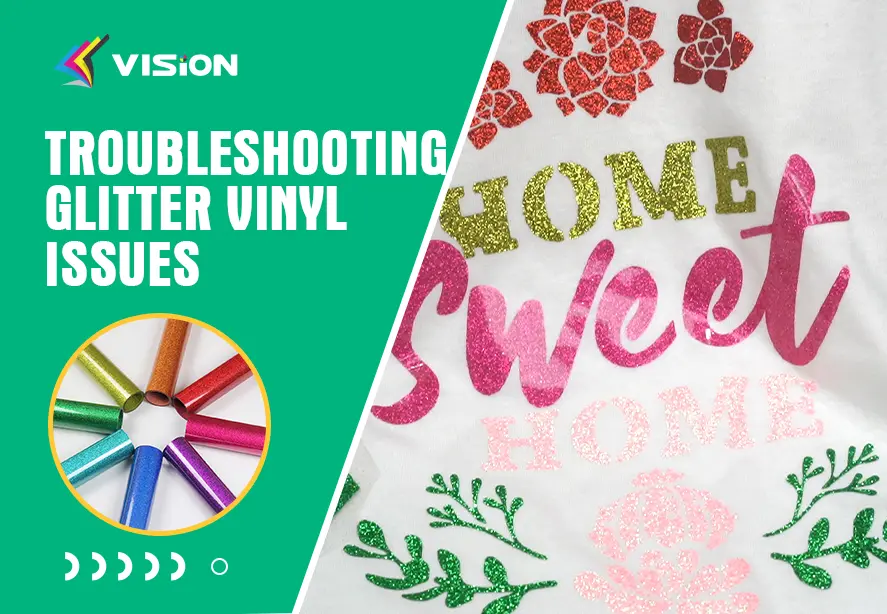
Troubleshooting Glitter Vinyl Issues
Working with glitter vinyl adds sparkle and creativity to custom apparel, crafts, and DIY projects—but it can also present unique chall...
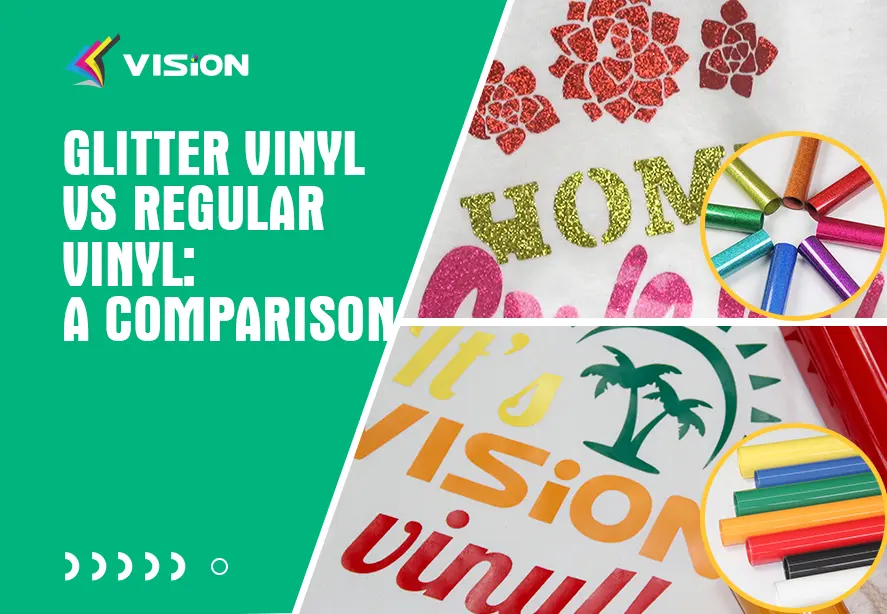
Glitter Vinyl vs Regular Vinyl: A Comparison
When planning custom apparel or craft projects, choosing glitter vinyl vs regular vinyl is a key decision. Both work for heat transfer ...
Why Glitter Puff HTV Is Growing in Popularity
Glitter Puff Heat Transfer Vinyl is growing in popularity because it combines visual impact, texture, and creative versatility in a way...
Why Isn’t Your Glitter Flock HTV Sticking? Fix It Now
Glitter flock heat transfer vinyl delivers a luxurious, textured, and sparkling finish, but it also requires precise application condit...
Is Glitter Flock HTV Safe for Kids’ Clothes?
If you’re searching for high-quality glitter flock HTV for kids clothes and wondering whether it’s truly safe, comfortable, and suitabl...
Heat Transfer Vinyl vs Inkjet Transfer Paper: Which Is Best for You
When it comes to custom apparel printing, two of the most widely used methods are heat transfer vinyl and inkjet transfer paper. Each t...

Best Temperature and Pressure Settings for Heat Transfer Vinyl
Heat transfer vinyl gives creators the freedom to design custom shirts, bags, and décor. To achieve flawless results, you need to under...