

Blog
DTF Powder Humidity Control Tips


In the world of Direct-to-Film (DTF) printing, maintaining optimal environmental conditions is not optional—it is essential. Among all variables, humidity plays a decisive role in determining the performance of DTF powder. When humidity levels are too high or too low, the powder’s ability to adhere properly, melt evenly, and bond with fabric is compromised.
We consistently observe that improper humidity control leads to powder clumping, uneven coating, weak adhesion, and print defects. By mastering humidity management, we ensure consistent production quality and reduce material waste.
How Humidity Affects DTF Powder Performance
DTF powder is highly sensitive to moisture in the air. Understanding how humidity impacts its behavior allows us to optimize every stage of the printing process.
1. Moisture Absorption and Clumping
DTF powder particles can absorb moisture when exposed to high humidity. This results in:
Clumping and aggregation;
Uneven powder distribution on printed film;
Reduced flowability during application;
Clumped powder fails to coat the adhesive layer evenly, leading to patchy transfers and poor bonding strength.
2. Inconsistent Melting Behavior
Humidity affects how DTF powder melts during curing. Excess moisture can cause:
Delayed or uneven melting;
Bubbles or imperfections in the adhesive layer;
Reduced elasticity of the final print.
3. Adhesion Problems
Improper humidity levels can weaken the bond between ink, powder, and fabric. This leads to:
Peeling after washing;
Cracking or fading over time;
Reduced durability of prints.
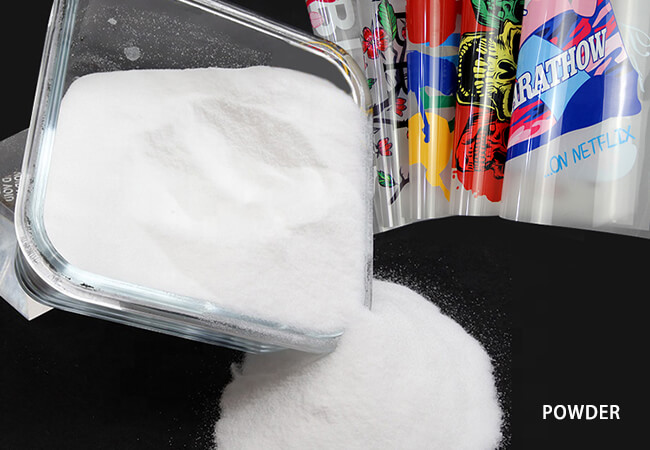
DTF POWDER
Ideal Humidity Levels for DTF Powder Storage and Use
To achieve consistent results, we maintain a controlled environment with the following conditions:
Recommended Humidity Range: 40% – 60% RH (Relative Humidity);
Optimal Temperature: 20°C – 28°C (68°F – 82°F);
These conditions ensure that the powder remains dry, free-flowing, and chemically stable throughout the printing process.
Best Practices for Storing DTF Powder
Proper storage is the foundation of humidity control. We implement the following methods to preserve powder quality:
1. Use Airtight Containers
Always store DTF powder in sealed, moisture-proof containers. This prevents exposure to ambient humidity.
2. Add Desiccants
Include silica gel packs or moisture absorbers inside storage containers to maintain dryness.
3. Avoid Frequent Opening
Repeatedly opening containers exposes powder to humid air. Minimize exposure by:
Using smaller working containers;
Sealing immediately after use.
4. Store in a Climate-Controlled Room
Keep powder in an environment with stable humidity and temperature levels. Avoid basements or areas prone to moisture.
How to Control Humidity in Your Workspace
Creating a controlled production environment significantly improves DTF printing results.
1. Use a Dehumidifier
In high-humidity regions, a dehumidifier is essential to maintain stable conditions. It removes excess moisture from the air, preventing powder contamination.
2. Install Air Conditioning Systems
Air conditioning not only cools the space but also helps regulate humidity levels.
3. Monitor with Hygrometers
We recommend using a digital hygrometer to track humidity levels in real time. This allows immediate adjustments when conditions fluctuate.
4. Maintain Proper Ventilation
Ensure airflow is consistent but avoid direct exposure to outdoor humidity, especially during rainy seasons.
Preventing DTF Powder Clumping: Practical Tips
Clumping is one of the most common issues caused by humidity. We eliminate it using these proven strategies:
Keep powder sealed when not in use
Shake or sift powder before application to restore flowability
Avoid storing powder near heat sources that create condensation
Use anti-moisture storage bins for long-term storage
Improving Adhesion Through Environmental Control
Humidity control directly impacts the bonding strength of DTF transfers. To maximize adhesion:
Ensure powder is dry and evenly distributed;
Maintain consistent curing temperatures;
Avoid applying powder in overly humid environments;
Pre-condition garments if necessary to remove moisture.
When these conditions are met, we achieve:
Strong, flexible prints;
Excellent wash resistance;
Smooth and professional finishes.
Advanced Tips for Professional DTF Operations
For high-volume or commercial production, we recommend advanced humidity control strategies:
Install industrial-grade climate control systems;
Use humidity-controlled storage cabinets;
Implement standard operating procedures (SOPs) for material handling;
Train staff to recognize early signs of moisture-related issues
These measures ensure; consistent output quality and operational efficiency.
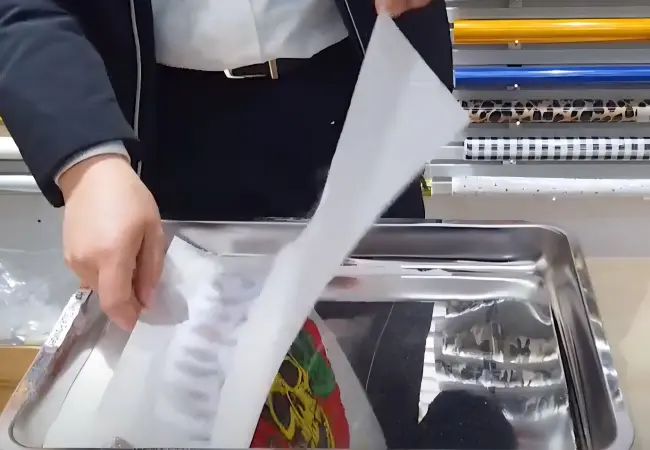
Humidity control is a decisive factor in achieving flawless DTF printing results. By maintaining optimal environmental conditions, storing materials correctly, and implementing proper handling techniques, we eliminate common issues such as clumping, weak adhesion, and inconsistent finishes.
A controlled environment transforms DTF powder from a variable risk into a reliable, high-performance component of your printing workflow.
Related:
Fine DTF Powder Benefits for Detail Printing
Why Is My DTF Powder Not Sticking to the Film?<
DTF powder for printing