

Blog
Puff T Shirt Transfer Vinyl Guide for 3D Shirt Designs

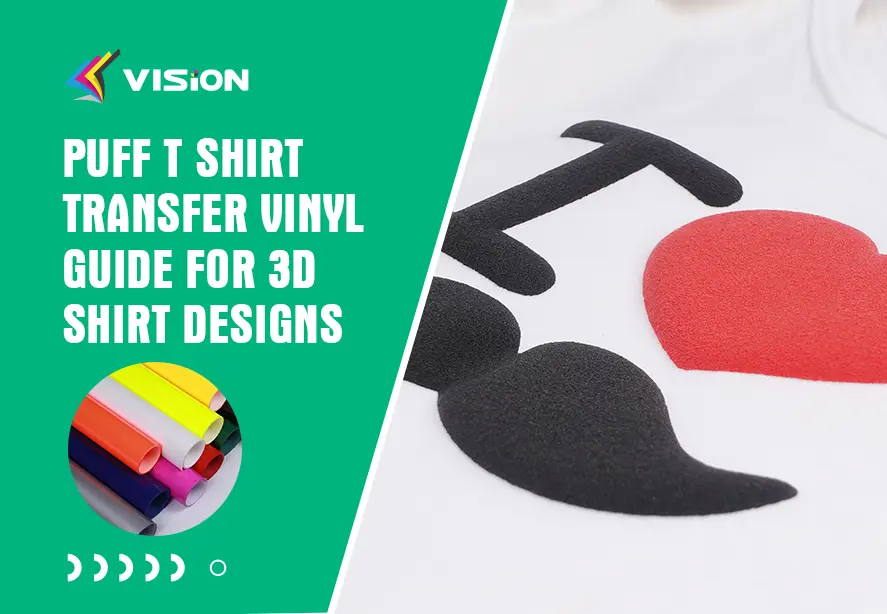
Custom apparel is no longer limited to flat graphics and standard heat transfer effects. Today, brands, print shops, fashion startups, and DIY creators are using puff t shirt transfer vinyl to create bold raised designs that instantly attract attention. From vintage streetwear logos to sports lettering and trendy fashion graphics, puff HTV adds texture, depth, and a premium 3D appearance that standard vinyl simply cannot achieve.
As a professional heat transfer vinyl supplier, we have seen the growing demand for 3D puff heat transfer vinyl across the apparel decoration industry. Designers want garments that stand out visually while maintaining soft-touch comfort and long-lasting durability. Puff vinyl delivers exactly that.
This guide explains everything about puff t shirt transfer vinyl, including how it works, ideal temperature settings, layering methods, fabric compatibility, design ideas, and professional production tips for achieving clean, high-quality 3D shirt designs.
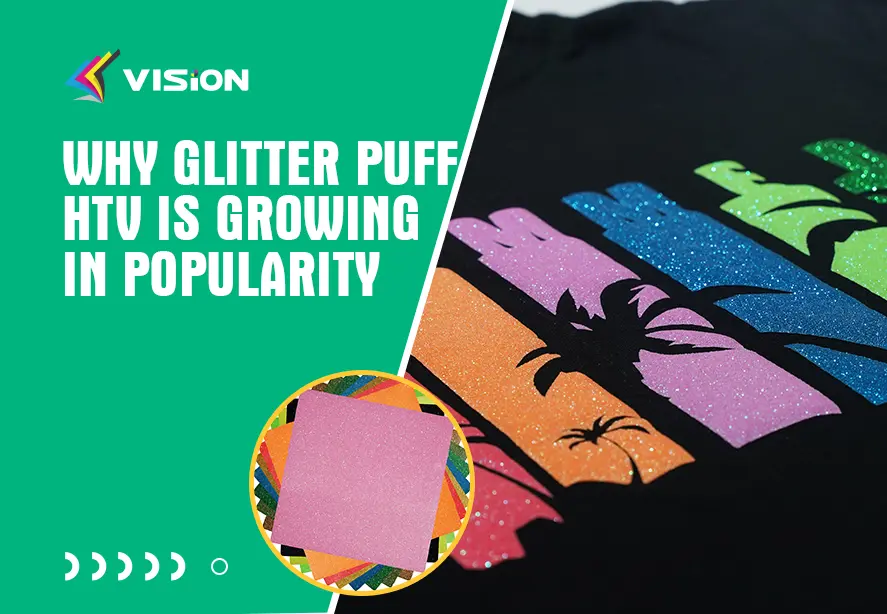
Why Puff HTV Is Popular in Modern Apparel Printing
The popularity of puff heat transfer vinyl continues to grow because modern fashion trends favor textured graphics and dimensional effects.
Compared to standard vinyl, puff HTV offers:
- Raised 3D appearance
- Soft-touch texture
- Premium visual depth
- Retro and vintage style
- Enhanced logo visibility
- Fashion-forward garment decoration
Streetwear brands especially use puff vinyl to create oversized typography, bold chest graphics, and layered logo designs that stand out both online and in retail displays.
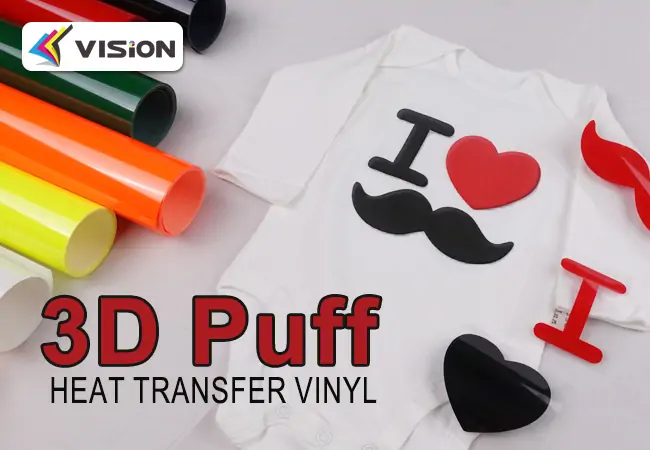
How Puff Heat Transfer Vinyl Works
Puff HTV contains special expandable components embedded inside the vinyl layer. During heat pressing, these components react to temperature and expand upward.
The process creates:
- Elevated lettering
- Puffy logo surfaces
- Soft foam texture
- Rounded graphic edges
- Dimensional visual effects
Correct heat settings are essential because too much heat may over-expand the material, while insufficient heat prevents proper puff activation.
Many professional print shops consider puff vinyl one of the most visually impressive specialty HTV materials available today.
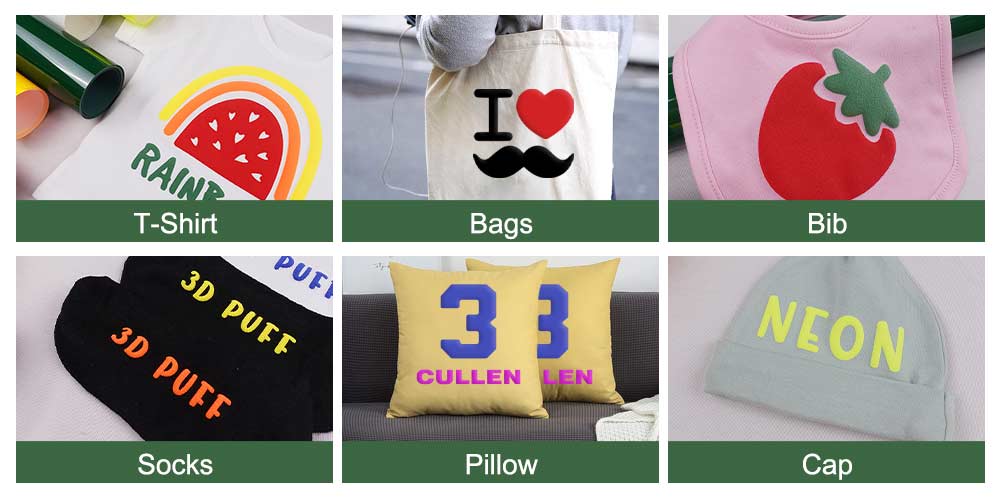
Best Fabrics for Puff T Shirt Transfer Vinyl
Recommended Fabrics
Puff HTV performs best on:
- 100% cotton
- Cotton/poly blends
- Heavyweight cotton
- Fleece
- Sweatshirts
- Hoodies
- French terry fabrics
These materials provide stable surfaces that support proper vinyl expansion.
 Fabrics to Avoid
 Fabrics to Avoid
Certain materials may reduce puff performance, including:
- Nylon
- Waterproof fabrics
- Stretch spandex
- Silicone-coated textiles
- Heat-sensitive polyester
Thin fabrics may also show uneven puff expansion.
Ideal Temperature Settings for Puff HTV
Temperature control is critical for successful puff vinyl application.
Most puff HTV products work within this range:
| Setting | Recommended Range |
|---|---|
| Temperature | 280°F–320°F |
| Press Time | 15–20 seconds |
| Pressure | Medium |
| Peel Type | Warm peel or hot peel |
Some puff materials activate at lower temperatures, while others require higher heat for maximum expansion. Always test small samples before full production.
Several commercial puff HTV products recommend temperatures between 302°F and 320°F for optimal expansion performance.
How to Apply Puff T Shirt Transfer Vinyl
Step 1: Create Simple Bold Designs
Puff vinyl performs best with thicker shapes and large lettering.
Ideal design elements include:
- Block fonts
- Retro typography
- Sports numbers
- Bold logos
- Minimalist graphics
Very small details may lose definition after expansion.
Step 2: Mirror the Design
Like all HTV materials, puff vinyl must be mirrored before cutting.
Use cutting software compatible with:
- Cricut
- Silhouette Cameo
- Roland cutters
- GCC plotters
- Graphtec cutters
Step 3: Adjust Blade Settings
Puff vinyl is slightly thicker than standard HTV.
Recommended adjustments include:
- Increased cutting pressure
- Slower cutting speed
- Sharp blade condition
Clean cuts improve weeding accuracy and edge quality.
Step 4: Weed Carefully
After cutting, remove excess vinyl carefully to preserve small details.
Puff vinyl generally weeds easily, especially premium-quality materials engineered for commercial use.
Step 5: Preheat the Garment
Preheating removes moisture and wrinkles from the fabric surface.
Pre-press for:
- 3–5 seconds
- Medium pressure
This improves vinyl adhesion consistency.
Step 6: Heat Press the Vinyl
Apply the recommended heat settings carefully.
Avoid:
- Excessive pressure
- Overheating
- Multiple represses
Too much heat can flatten the puff effect.
Layering Techniques for Puff HTV
Best Layering Practices
Puff vinyl usually works best as the top layer because the expansion effect requires open space.
Recommended combinations include:
- Standard HTV base + puff top layer
- Glitter HTV + puff accents
- Matte vinyl + puff lettering
- Metallic HTV + puff outlines
This technique creates strong visual contrast and premium fashion aesthetics.
Avoid Overlapping Puff Layers
Stacking multiple puff layers may create:
- Uneven expansion
- Poor adhesion
- Distorted graphics
- Excessive thickness
Professional apparel decorators typically limit puff HTV to a single upper layer.
Common Puff HTV Mistakes to Avoid
Using Thin Fonts
Tiny lettering often expands unevenly and loses clarity.
Choose thicker designs for cleaner results.
Applying Too Much Heat
Overheating can cause:
- Excessive puffing
- Burn marks
- Flattened texture
- Distorted graphics
Always follow manufacturer settings carefully.
Using High Pressure
Heavy pressure may compress the expanding foam effect.
Medium pressure is generally recommended.
Repressing Multiple Times
Repeated pressing can flatten the raised effect and reduce texture quality.
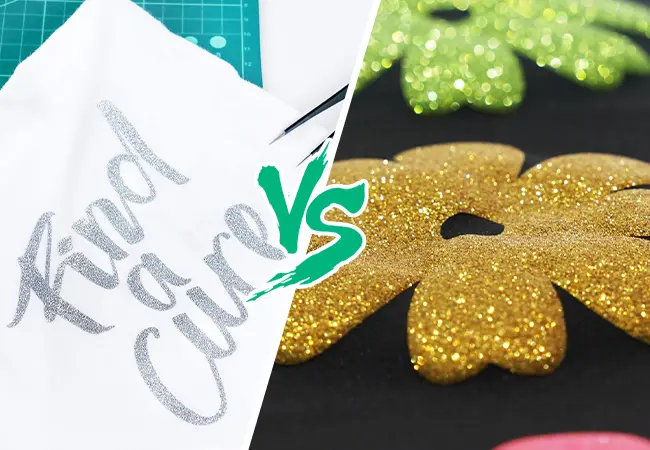
Puff HTV vs Standard HTV
| Feature | Puff HTV | Standard HTV |
|---|---|---|
| Texture | Raised 3D | Flat |
| Visual Effect | Dimensional | Smooth |
| Fashion Appeal | Premium | Standard |
| Best Use | Logos & bold graphics | Everyday designs |
| Thickness | Thicker | Thin |
| Special Effect | Puffy expansion | No expansion |
Puff vinyl is ideal for fashion-forward apparel where visual impact matters most.
Puff HTV vs Standard HTV
Choosing High-Quality Puff T Shirt Transfer Vinyl
When sourcing puff HTV, businesses should prioritize:
- Stable puff expansion
- Easy weeding
- Soft finish
- Wash durability
- Consistent thickness
- Color stability
- Smooth cutting performance
Premium puff HTV improves production efficiency while reducing application failures.
Puff t shirt transfer vinyl has become one of the most exciting materials in modern apparel decoration. Its raised 3D texture transforms ordinary graphics into premium fashion statements that capture attention immediately.
From vintage streetwear and sports uniforms to luxury branding and custom merchandise, puff HTV gives designers the ability to create garments with greater depth, texture, and personality.
Related:
Best Temperature and Pressure Settings for Heat Transfer Vinyl
Why Your Heat Transfer Vinyl Is Lifting – How to Fix It Fast
How to Prevent Peeling and Cracking with Heat Transfer Vinyl?
What fabric is best for heat transfer vinyl?