

Blog
How to Choose Heat Transfer Paper for Different Fabrics

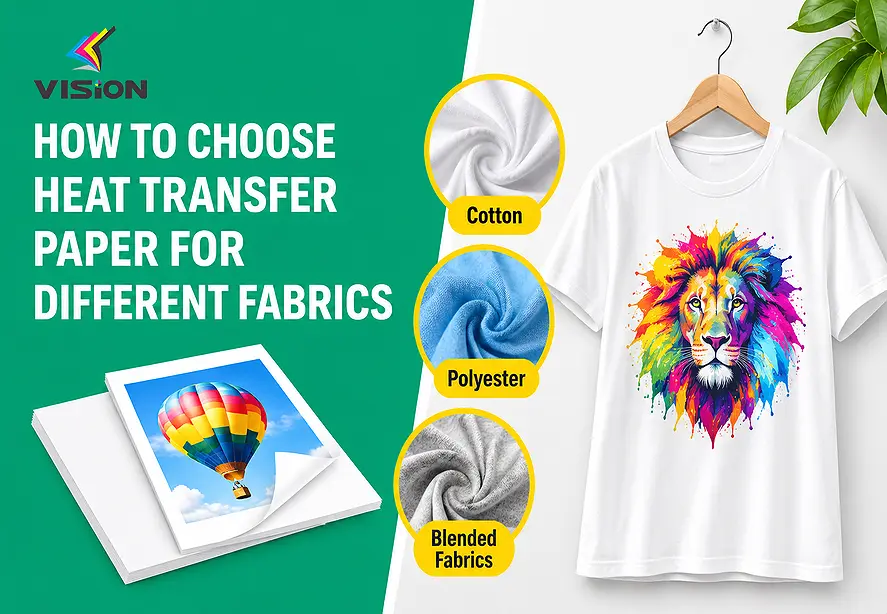
Choosing the right heat transfer paper depends on more than the design or printing equipment. Fabric composition, garment color, ink compatibility, and application conditions all affect the final transfer result.
For printing businesses and wholesale buyers, understanding these differences helps reduce material waste and select products that meet customer requirements.
This guide explains how to choose heat transfer paper for cotton, polyester, and blended fabrics.
1. Why Does Fabric Composition Matter?
Different textile fibers respond differently to heat, pressure, and transfer coatings.
Cotton: Cotton is commonly used for T-shirts, tote bags, and promotional clothing. Many inkjet heat transfer papers are designed for cotton or cotton-rich fabrics.
Polyester: Polyester requires additional attention because some fabrics are sensitive to high temperatures. Dye migration may also occur, particularly with certain colored polyester garments.
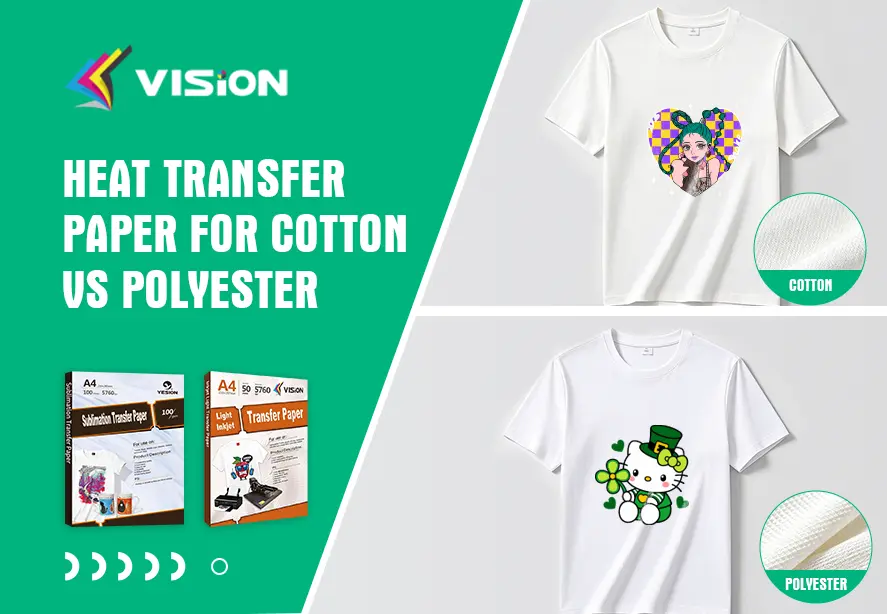
Cotton-polyester blends: Blended fabrics combine characteristics of both fibers. Transfer performance depends on the fiber ratio, fabric finish, and the specific transfer paper.
A transfer paper suitable for cotton should not automatically be considered compatible with every polyester fabric.
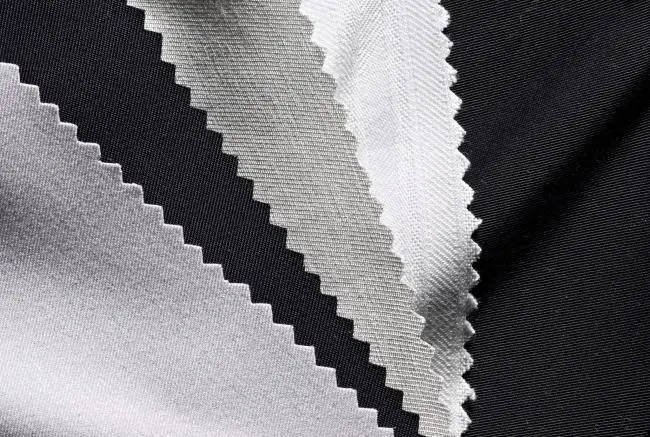
Cotton vs. Polyester vs. Blended Fabrics
2. Choosing Heat Transfer Paper for Cotton
Cotton is one of the most common materials used in garment decoration.
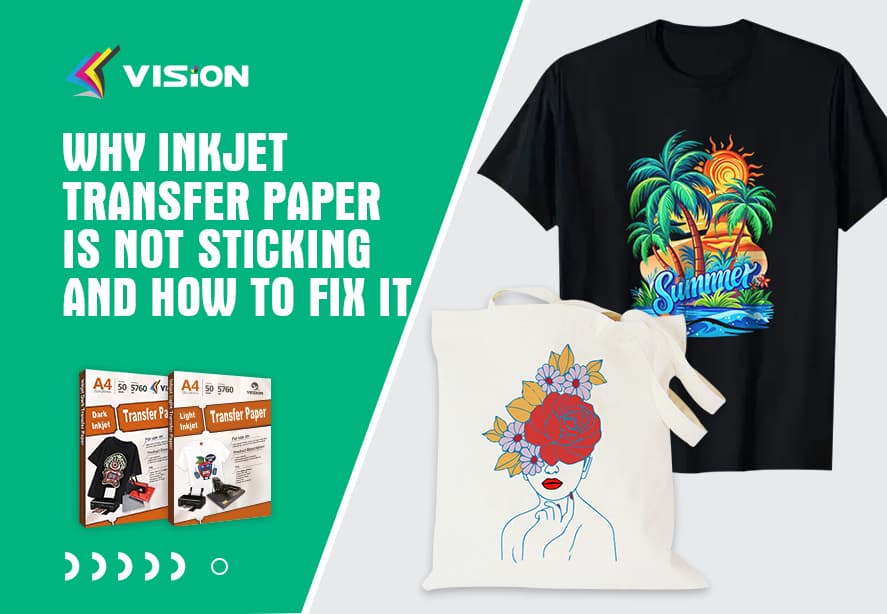
For white or light-colored cotton garments, Inkjet Light Heat Transfer Paper is a practical option. It is designed for light-colored cotton and compatible cotton-rich blends.
For black or dark-colored cotton, Inkjet Dark Heat Transfer Paper provides an alternative designed to maintain visible printed colors against dark fabric.
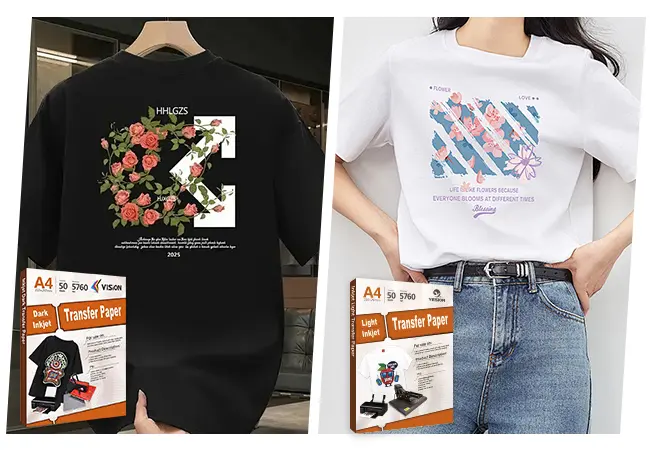
Applications of Inkjet Transfer Paper
When comparing products, consider the coating texture, transfer adhesion, and washing performance.
Light vs. Dark Fabric Transfer Paper
Light fabric transfer paper generally relies on the fabric’s light background to display the printed image.
Dark fabric transfer paper typically uses an opaque transfer layer to help printed colors remain visible on darker textiles.
These materials may also require different image preparation, cutting, and peeling methods. Always follow the instructions for the selected product.
For buyers comparing different product grades, understanding the differences between inkjet light transfer papers can help identify suitable options for cotton garments.
3. Can Heat Transfer Paper Be Used on Polyester?
Some heat transfer papers can be applied to polyester or polyester-blend fabrics, but compatibility must be confirmed for the specific material.
Important considerations include:
-
Heat sensitivity: Excessive temperature can cause fabric damage, shine, or deformation.
-
Dye migration: Certain polyester dyes may move into the transferred image after application.
-
Adhesion: The transfer coating must bond properly to the fabric surface.
-
Fabric construction: Stretch, texture, and surface treatments can affect results.
Before production, test the transfer paper on the actual garment.
For 100% polyester garments, consider whether a compatible heat transfer system or sublimation process is more appropriate.
Traditional dye-sublimation printing works best on suitable light-colored polyester fabrics and is not a direct substitute for heat transfer paper on cotton.
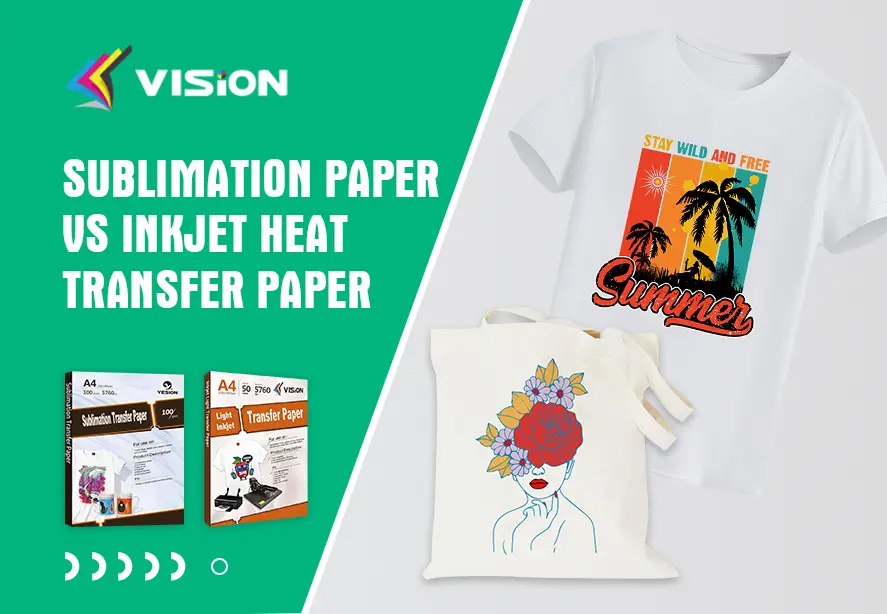
Before choosing a transfer method for polyester garments, it is useful to understand sublimation paper vs. heat transfer paper and their different application requirements.
4. Selecting Transfer Paper for Cotton-Polyester Blends
Cotton-polyester blends are widely used in uniforms, casual clothing, and promotional textiles.
However, a 65/35 cotton-polyester blend may behave differently from a 50/50 blend.
Some transfer papers are designed for fabrics containing a relatively high proportion of cotton. For example, VISION’s inkjet light and dark heat transfer paper specifications identify cotton-rich fabrics and compatible cotton-polyester blends as intended applications.
For blends with higher polyester content, additional testing is recommended.
Check the following:
-
Fabric composition and color.
-
Recommended transfer temperature and time.
-
Adhesion after cooling.
-
Washing and stretching performance.
-
Any visible discoloration or dye migration.
These tests help determine whether a material is suitable for repeated commercial production.
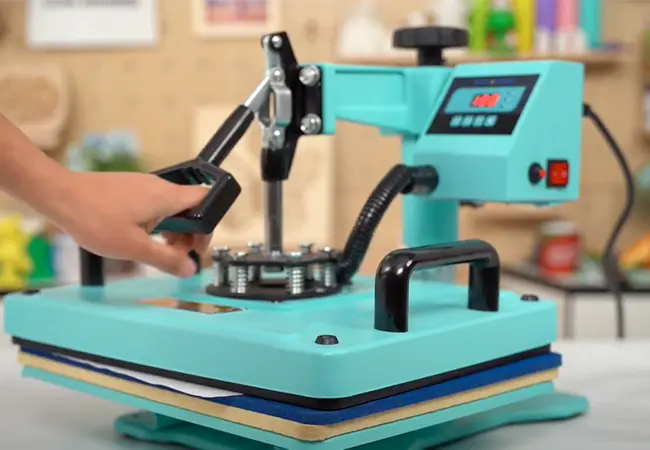
heat press transfer
5. Match Transfer Paper with Your Printer
Fabric compatibility is only one part of the selection process. The printing technology must also match the transfer paper.
Inkjet Heat Transfer Paper
Inkjet Heat Transfer Paper is designed for compatible inkjet printers.
VISION’s inkjet transfer paper range supports pigment and dye-based inks, with pigment ink recommended for several products.
Before purchasing, verify the printer model, ink type, print settings, and transfer instructions.
Laser Heat Transfer Paper
Laser transfer paper is designed for compatible toner-based printers rather than standard inkjet printers.
Different laser transfer papers may require specific printer types or operating conditions.
Using the wrong printing system can result in poor image quality or unsuccessful transfers.
If your customers use different printing systems, comparing inkjet vs. laser transfer paper for dark fabrics can help clarify printer compatibility and material selection.
6. Compare Transfer Settings Before Bulk Production
Temperature, pressure, pressing time, and peeling method can vary significantly between products.
For example, VISION lists the following reference settings for two inkjet heat transfer papers:
| Product | Temperature | Pressing Time | Pressure |
|---|---|---|---|
| Inkjet Light Heat Transfer Paper | 180–190°C | 15–25 seconds | Heavy |
| Inkjet Dark Heat Transfer Paper | 160–180°C | 7–15 seconds | Medium |
These are product-specific reference settings, not universal recommendations for all fabrics or transfer papers.
Actual settings should be confirmed through product instructions and testing.
For commercial production, record successful settings so operators can reproduce consistent results.
7. What Should Wholesale Buyers Consider?
Importers and distributors often supply customers working with different fabrics, printing systems, and garment colors.
Instead of choosing one transfer paper for every application, consider building a product range based on actual market demand.
A practical assortment may include:
-
Light fabric inkjet transfer paper.
-
Dark fabric inkjet transfer paper.
-
Compatible laser transfer paper.
-
Specialty transfer paper for decorative effects.
Before placing a bulk order, request samples and verify performance on the fabrics most commonly used by your customers.
Also compare available sheet and roll formats, packaging options, production consistency, and supplier support.
The right product range should reflect customer applications rather than simply the number of available product types.
Find the Right Heat Transfer Paper
VISION manufactures and supplies heat transfer paper for different printing technologies and garment applications.
Our product range includes inkjet and laser transfer papers for light and dark fabrics, with sheet and roll formats available for different purchasing requirements.
We work with importers, wholesalers, distributors, and garment printing businesses seeking consistent product quality and reliable bulk supply.
Contact VISION to discuss fabric compatibility, request samples, or obtain a wholesale quotation. OEM and customized packaging requirements can also be discussed.
Email: info@visionsub.com
WhatsApp: +86 18001836806
Related:
Differences of Sublimation Printing and Heat Transfer Printing
Inkjet Dark Glitter Heat Transfer Paper