

Blog
Fine DTF Powder Benefits for Detail Printing

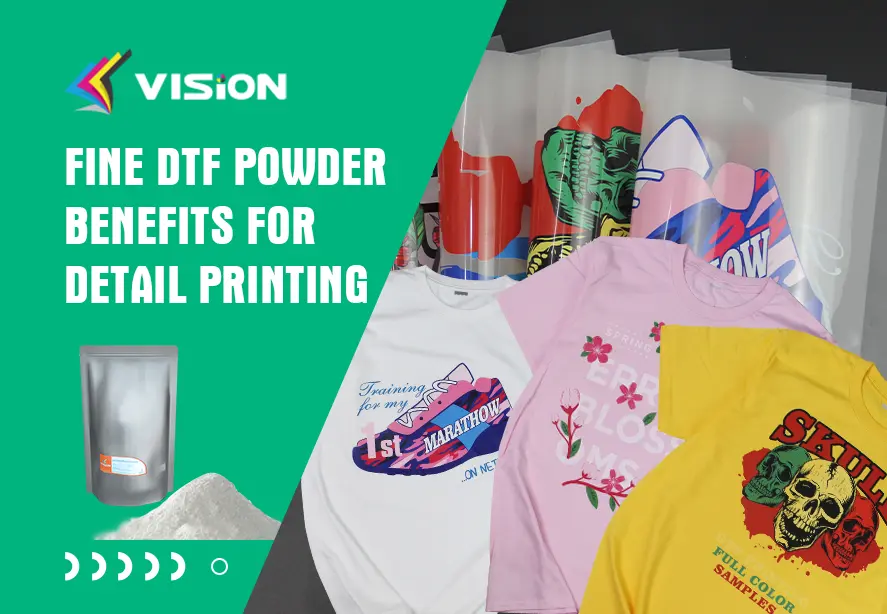
In the evolving landscape of textile customization, achieving high-definition prints with exceptional detail and softness has become a core requirement for professional print businesses. Fine DTF powder plays a critical role in elevating print quality by enabling smoother finishes, better adhesion, and enhanced flexibility. We explore how fine powder transforms the DTF workflow and why it is the preferred choice for precision-driven applications.
What is Fine DTF Powder?
Fine DTF powder refers to hot melt adhesive powder with smaller particle sizes, typically ranging between 0–80 microns. Compared to medium or coarse powders, fine powder provides a more uniform coating across printed designs, resulting in cleaner edges and improved detail reproduction.
Key Characteristics
- Ultra-small particle size for precision application
- Even distribution across intricate designs
- Reduced graininess for smooth surface finish
- Enhanced bonding for thin lines and micro details
Why Particle Size Matters in DTF Printing
Particle size directly affects adhesion behavior, texture, and print clarity. Fine powder offers significant advantages in applications where detail accuracy and softness are critical.
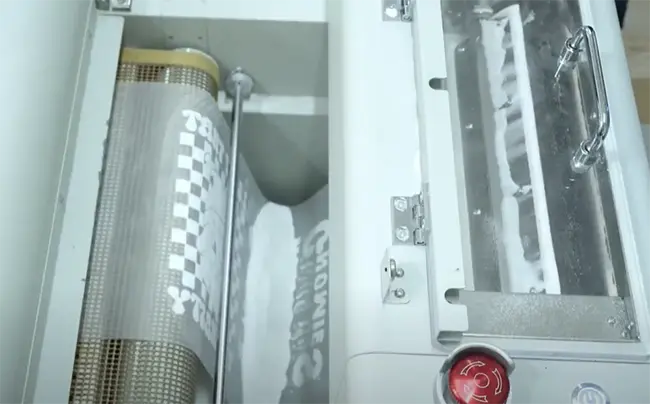
Fine vs Medium vs Coarse Powder
| Powder Type | Particle Size | Best Use Case |
|---|---|---|
| Fine Powder | 0–80 microns | Detailed graphics, thin lines |
| Medium Powder | 80–170 microns | General-purpose printing |
| Coarse Powder | 170–300 microns | Thick designs, heavy fabrics |
Conclusion: Fine powder delivers maximum precision, while larger particles prioritize strength over detail.
Key Benefits of Fine DTF Powder for Detail Printing
1. Superior Detail Reproduction
Fine powder allows adhesive to settle precisely around tiny design elements, ensuring:
- Sharp edges
- Clean outlines
- Accurate reproduction of small fonts and intricate artwork
This makes it ideal for logos, gradients, and high-resolution graphics.
2. Ultra-Smooth Print Finish
One of the most noticeable advantages is the smooth, soft-touch finish.
- Minimal graininess compared to coarse powders
- Even adhesive layer across the design
- Professional-grade texture suitable for premium apparel
Result: Prints feel closer to screen printing quality.
3. Enhanced Flexibility and Stretch Performance
Fine particles create a thinner adhesive layer, which improves:
- Fabric flexibility
- Stretch resistance
- Reduced cracking under tension
This is especially important for:
- Sportswear
- Fashion garments
- Fitted apparel
4. Improved Adhesion on Detailed Areas
Fine powder ensures better coverage on:
- Thin lines
- Small text
- Complex shapes
Because smaller particles can penetrate tighter spaces, adhesion becomes more consistent and reliable, reducing print defects.
5. Reduced Powder Residue and Cleaner Transfers
With fine powder:
- Less excess powder sticks to non-printed areas
- Easier shaking and removal process
- Cleaner transfer film appearance
This leads to higher production efficiency and fewer reprints.
Best Applications for Fine DTF Powder
Fine DTF powder is ideal for projects requiring precision and high-end finish.
Recommended Use Cases
- Custom fashion apparel
- Brand logos and corporate uniforms
- Detailed illustrations and artwork
- Small typography and label printing
- High-resolution photo transfers
Curing Considerations for Fine DTF Powder
Because of its smaller particle size, fine powder behaves differently during curing.
Key Adjustments
- Lower curing temperature may be sufficient
- Faster melting due to smaller particles
- Requires careful monitoring to avoid over-curing

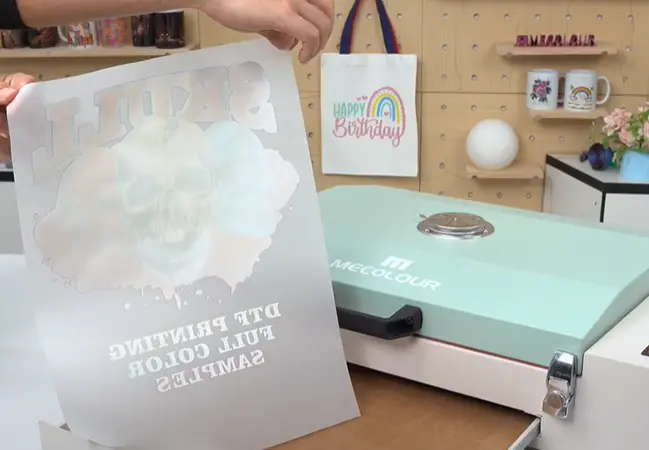
Best Practice
Maintain controlled curing conditions to ensure:
- Proper melting without burning
- Optimal adhesive bonding
- Consistent transfer results
How Fine Powder Affects Adhesion Strength
Fine powder creates a thin adhesive layer, which impacts bonding behavior.
Advantages
- Strong enough for most apparel applications
- Better integration with fabric fibers
- Maintains softness without sacrificing durability
Limitations
- Slightly less aggressive bonding compared to coarse powder
- Not ideal for heavy fabrics or rugged use cases
Fine DTF Powder vs Medium Powder: Which to Choose?
| Feature | Fine Powder | Medium Powder |
|---|---|---|
| Detail Quality | Excellent | Good |
| Surface Smoothness | Very smooth | Moderate |
| Adhesion Strength | Medium-High | High |
| Versatility | Specialized | General-purpose |
Conclusion: Fine powder is best for precision work, while medium powder offers balanced performance.
Common Mistakes When Using Fine DTF Powder
To maximize performance, avoid these issues:
- Applying excessive powder, leading to clumping
- Over-curing, which reduces flexibility
- Using on heavy fabrics requiring stronger adhesion
- Improper shaking, causing uneven coating
Tips for Achieving the Best Results
We recommend the following practices for optimal output:
- Use high-resolution artwork to leverage fine powder benefits
- Maintain consistent powder application
- Optimize curing temperature and time
- Pair with high-quality DTF inks and films
- Test on different fabrics before mass production
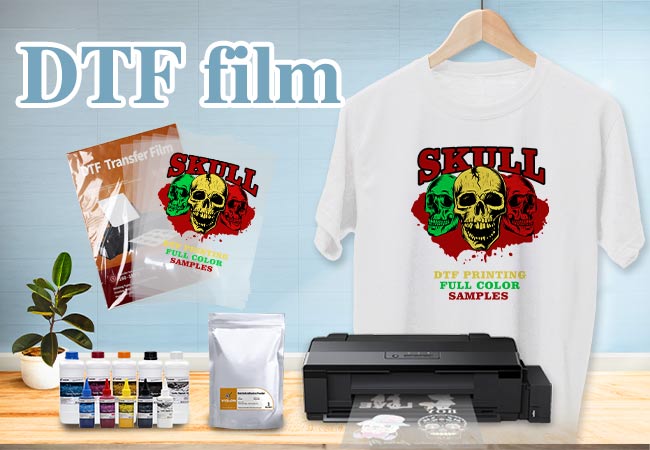
Why Fine DTF Powder is Essential for Premium Printing
For businesses targeting high-end apparel and detailed designs, fine powder is not optional—it is essential. It enables:
- Premium print quality
- Enhanced customer satisfaction
- Competitive differentiation in the market
By integrating fine powder into your workflow, we elevate both visual output and product value.
Fine DTF powder represents a precision-focused solution for modern printing demands. Its ability to deliver sharp detail, smooth texture, and flexible performance makes it the ideal choice for intricate designs and premium garments.
For print businesses seeking to produce cleaner, softer, and more professional results, fine DTF powder is the key to unlocking superior quality and long-term success.
Related:
DTF powder for printing
Can you use DTF film without adhesive powder?
Why Is My DTF Powder Not Sticking to the Film?