

Blog
How to Evaluate the Cost per DTF Transfer

The actual cost per DTF transfer is more than the price of the film, ink, and adhesive powder. It also includes material waste, rejected prints, labor, electricity, and equipment-related expenses.
For printing businesses, wholesalers, and garment manufacturers, understanding these costs helps determine product pricing, compare suppliers, and estimate profit margins.
When evaluating DTF transfer materials, buyers should consider the total cost of producing usable transfers rather than comparing the purchase price of individual consumables alone.
What Is the Actual Cost per DTF Transfer?
1. Identify the Main Material Costs
DTF production involves several consumables. Each contributes differently to the total cost, depending on the design, print coverage, production volume, and equipment settings.
DTF Film
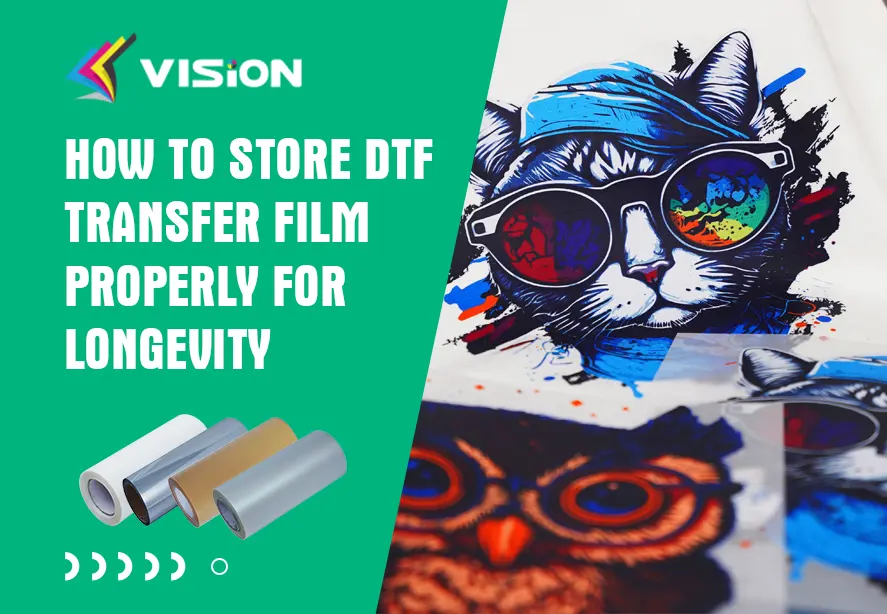
DTF transfer film is one of the main cost components. Its consumption depends on the printed design size, layout, spacing between images, and unused areas of the film.
For example, a well-organized gang sheet can fit multiple designs onto one section of film, reducing material consumption per transfer. Poor layout planning may leave more unused space and increase the cost of each finished design.
When comparing film suppliers, consider roll dimensions, coating consistency, transfer performance, and the amount of usable material rather than price per roll alone.
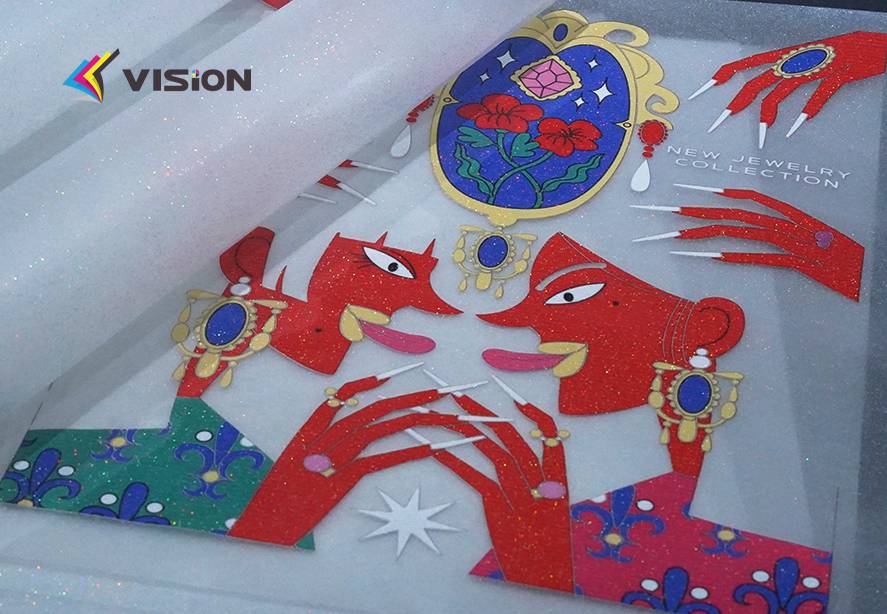
dtf transfer film
DTF Ink
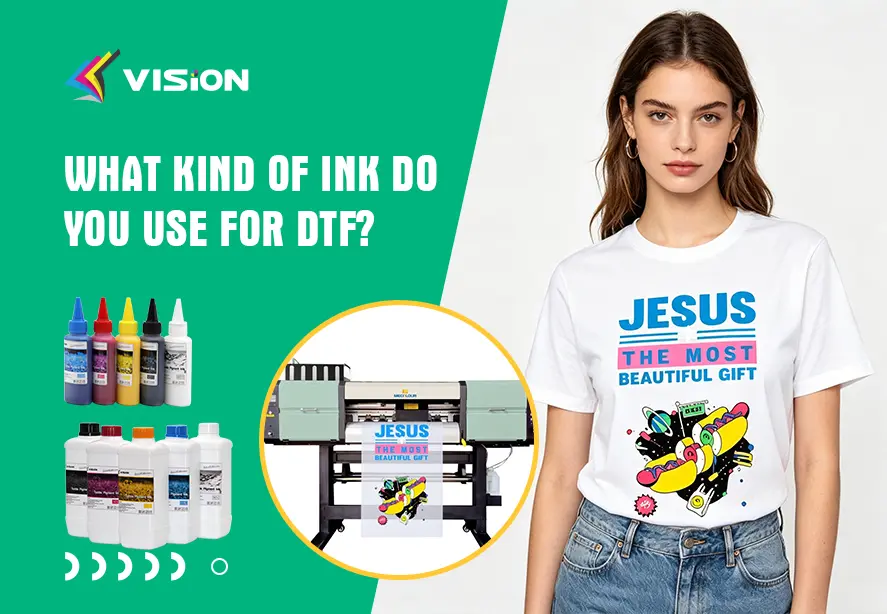
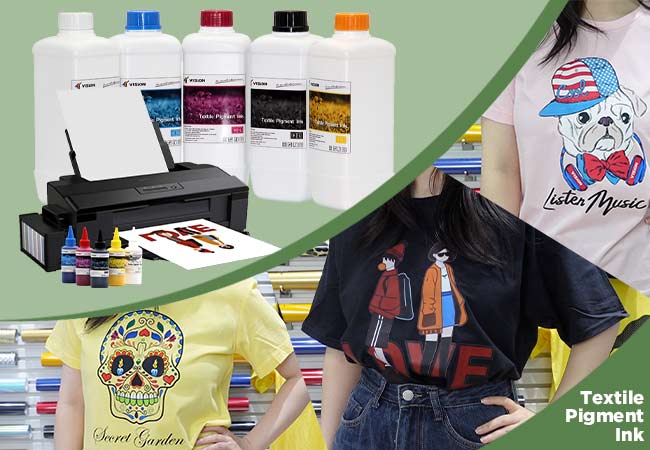
DTF ink consumption varies according to image coverage, color distribution, white ink usage, resolution, and printer settings.
Large solid-color designs and designs requiring substantial white ink coverage may consume more ink than smaller graphics.
To estimate ink cost accurately, record actual ink consumption over a representative production batch. Printer software estimates can provide a starting point, but measured consumption is more useful for cost planning.
dtf ink
DTF Hot Melt Powder
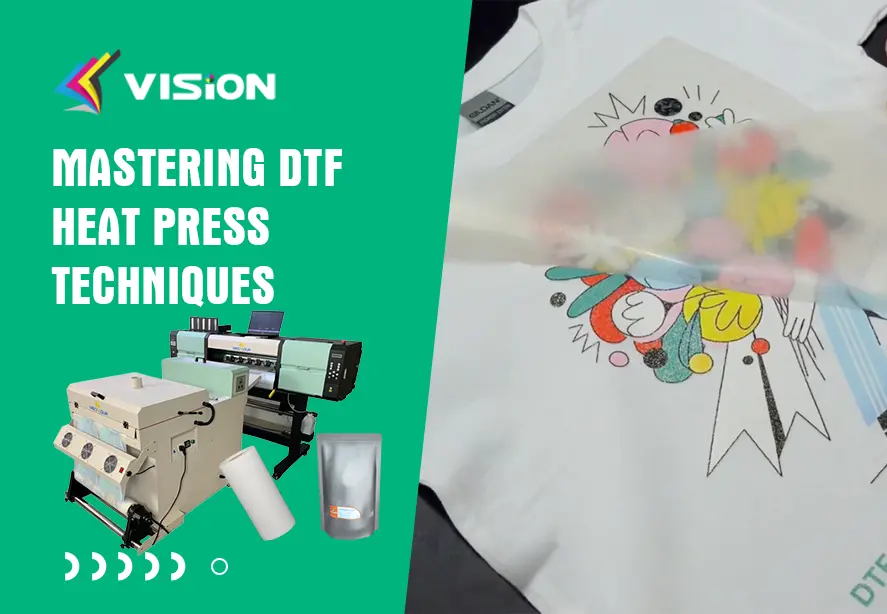
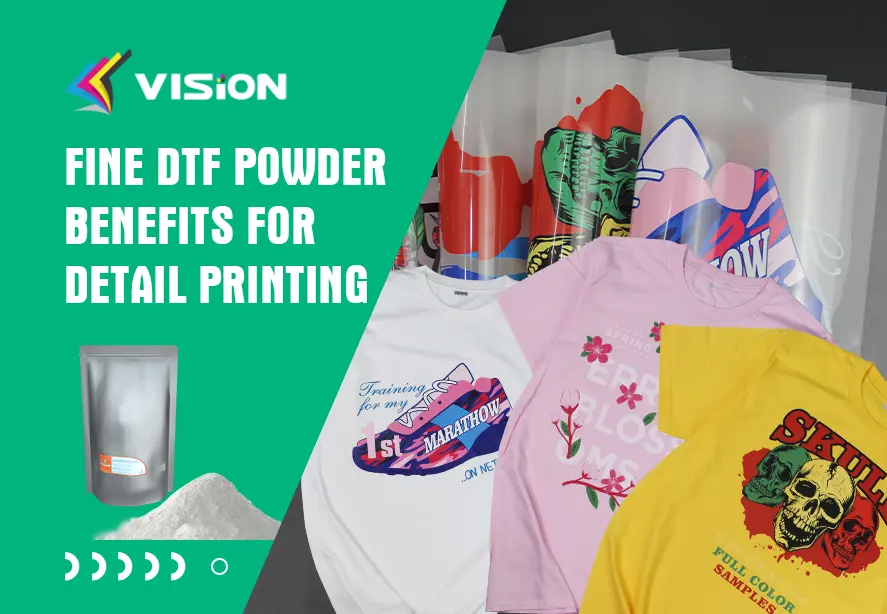
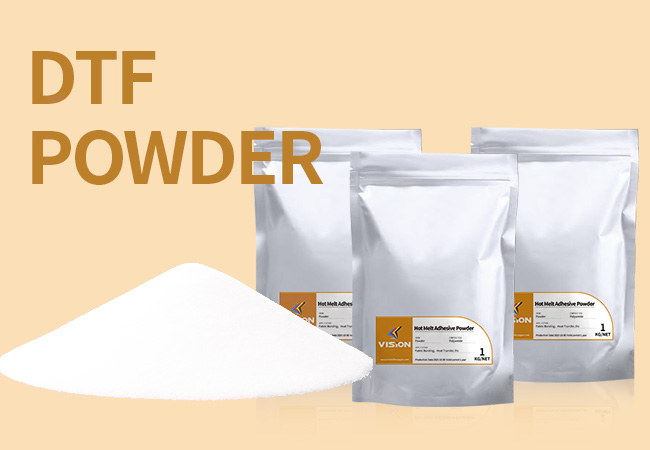
DTF hot melt powder is used to create the adhesive layer between the printed design and the fabric.
Its consumption depends on powder application, film width, printed area, recovery efficiency, and production settings. Excessive application or poor powder recovery can increase material costs.
Buyers should evaluate powder compatibility, adhesion performance, and the results of actual transfer and washing tests rather than choosing a product based only on its price per kilogram.
dtf-powder
2. Calculate Material Consumption per Transfer
A practical way to estimate DTF material costs is to measure consumption over a production batch.
Use the following formulas:
Film cost per transfer:
Film cost per square meter × film area consumed per transfer.
Ink cost per transfer:
Total ink cost consumed ÷ number of transfers produced.
Powder cost per transfer:
Total powder cost consumed ÷ number of transfers produced.
For businesses printing multiple designs on one sheet or roll, it is important to allocate material consumption according to the actual printable area rather than charging the full sheet cost to a single design.
A production record covering several batches will provide a more reliable average than calculating costs from one print.
3. Include Waste and Rejected Transfers
Material waste is often overlooked when calculating the cost of DTF production.
Common sources include:
-
Unused film caused by inefficient design layouts.
-
Test prints and printer calibration.
-
Ink or powder waste during setup.
-
Printing defects and transfer failures.
-
Rejected products caused by inconsistent results.
For example, if a production batch uses materials worth $100 and produces 125 designs, the material cost is $0.80 per design.
However, if only 115 designs pass quality inspection, the actual material cost per usable transfer becomes approximately $0.87.
This difference shows why production yield matters when evaluating the real cost of DTF printing.
powder shaker
4. Add Labor, Electricity, and Equipment Expenses
For a complete production cost calculation, consumables are only part of the picture.
Labor: Include the time spent preparing artwork, operating printers, handling film, applying powder, curing transfers, and inspecting finished products.
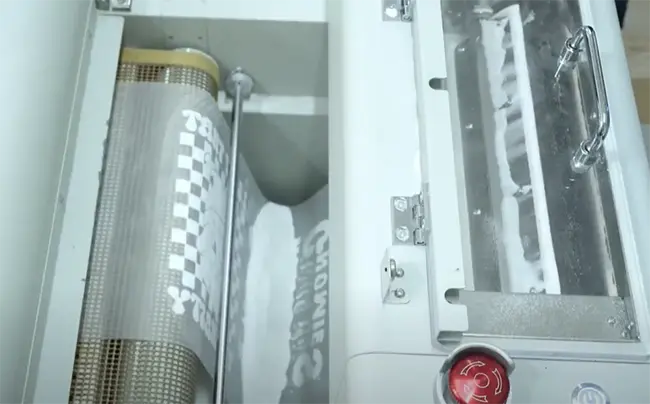
Electricity: Printers, powder shakers, dryers, and heat presses all consume electricity. Actual consumption depends on machine power, operating time, and production volume.
Equipment maintenance: Printhead cleaning, replacement parts, routine servicing, and other maintenance expenses should be considered when estimating long-term production costs.
Packaging and handling: If transfers are supplied as finished products, include protective packaging and order preparation costs.
For businesses evaluating profitability, it is useful to distinguish direct consumable costs from full production costs. This makes it easier to identify which expenses can be reduced through better purchasing, improved production planning, or more efficient equipment use.
5. Compare DTF Suppliers Based on Total Production Value
The lowest purchase price does not necessarily result in the lowest cost per usable transfer.
When comparing DTF printing materials from different suppliers, evaluate the following factors:
| Evaluation factor | What to check |
|---|---|
| DTF Film | Coating consistency, roll dimensions, transfer performance and usable area |
| DTF Ink | Compatibility, color performance and actual consumption |
| DTF Powder | Adhesion, flexibility, washing performance and application efficiency |
| Product consistency | Whether specifications remain stable across batches |
| Packaging | Protection during transportation and storage |
| Supply capability | Availability, lead time and suitability for repeat orders |
A useful comparison method is to purchase samples from different suppliers and test them under the same printing conditions.
Record material consumption, production yield, and transfer results for each option. This gives buyers a more objective basis for comparing suppliers and planning bulk purchases.
6. Use a Simple Formula to Calculate Your DTF Transfer Cost
For a more complete estimate, use the following formula:
Full cost per usable DTF transfer = Total production cost ÷ Number of accepted transfers
Total production cost includes:
-
DTF film consumption
-
DTF ink consumption
-
DTF powder consumption
-
Waste and rejected production
-
Labor expenses
-
Electricity and maintenance
-
Packaging and other production expenses
For example, a printing business can record the total expenses of a production batch and divide that amount by the number of transfers that pass quality inspection.
This method provides a more realistic cost figure for pricing, budgeting, and comparing different production solutions.
Businesses should also calculate equipment depreciation separately when evaluating long-term profitability, particularly when investing in new printing equipment.
Source DTF Printing Materials from VISION
VISION supplies a range of DTF transfer materials, including DTF film, DTF ink, DTF powder, and related printing equipment.

DTF film factory
For importers, wholesalers, distributors, and printing businesses, selecting suitable materials is an important part of controlling production costs and maintaining consistent printing results.
Whether you are sourcing consumables for an existing printing operation or developing a new DTF product range, VISION can help you review available products and specifications for your purchasing requirements.
Contact VISION for product information, samples, and wholesale quotations.
Email: info@visionsub.com
WhatsApp: +86 18001836806
Tell us your required DTF products, specifications, estimated order quantity, and target market. Our team will help you identify suitable options for evaluation.
Related:
The Best DTF Transfer Film for Vibrant Prints
What machine do you need for DTF printing?
Choosing the Best Fabric for DTF Printing
Do you need special ink for DTF transfers?
Why Is My DTF Powder Not Sticking to the Film?
How do I choose a DTF printer with a powder machine?