

Blog
Mastering DTF Heat Press Techniques

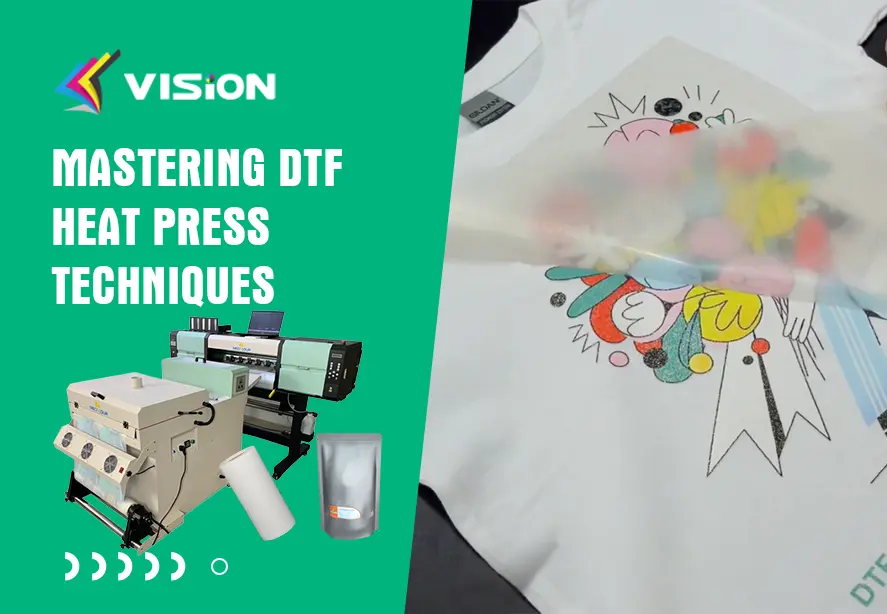
In the rapidly evolving world of garment decoration, DTF heat press technology has established itself as a high-efficiency, high-precision solution for producing vibrant, durable prints on a wide variety of fabrics. We leverage advanced Direct-to-Film (DTF) processes combined with optimized heat press techniques to deliver consistent, commercial-grade results that meet the demands of modern print businesses.
Mastering the DTF heat press is not about guesswork—it is about precision control, material compatibility, and process optimization. By refining every variable in the workflow, we ensure maximum adhesion, color vibrancy, and wash durability.
Understanding the DTF Heat Press Process
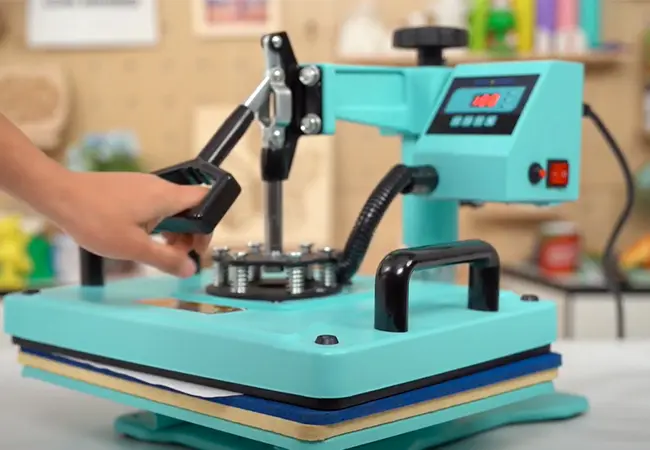
The DTF heat press workflow involves transferring a printed and powdered PET film design onto fabric using controlled heat, pressure, and time. Each stage must be executed with exact parameters to ensure a flawless finish.
Core Process Breakdown
- DTF Printing – Design printed on PET film using specialized DTF inks
- Powder Application – Adhesive powder evenly applied to the printed layer
- Curing Process – Powder melted and bonded to ink
- Heat Press Transfer – Film pressed onto fabric under controlled conditions
- Peeling & Finishing – Film removed and optionally repressed for durability
Every step directly impacts the final print quality, making heat press control the most critical stage.
Optimal DTF Heat Press Settings for Perfect Transfers
Precision settings define the difference between average and professional results. We standardize parameters for consistent, repeatable output.
Recommended Heat Press Settings
- Temperature: 150°C – 165°C (302°F – 329°F)
- Time: 10 – 15 seconds
- Pressure: Medium to high (uniform distribution across platen)
Advanced Adjustment Tips
- Thicker fabrics require slightly higher pressure
- Delicate textiles benefit from lower temperature with longer press time
- Dark garments often need a second press to enhance bonding
We refine these variables depending on film type,adhesive powder, and substrate material, ensuring maximum adhesion without scorching or distortion.
Choosing the Right Materials for Superior Results
Material selection plays a decisive role in DTF success. We prioritize compatibility and quality consistency across all components.
Key Material Considerations
- DTF Film: Cold peel or hot peel depending on workflow speed
- Adhesive Powder: Fine-grade powder ensures smooth finishes
- Fabric Type: Cotton, polyester, blends, nylon, and performance fabrics
Material Optimization Strategy
We match powder melting point with heat press temperature to ensure perfect bonding. Poor compatibility leads to cracking, peeling, or uneven textures.
Pre-Press Preparation Techniques
Preparation is often overlooked, yet it significantly impacts final output quality. We implement strict pre-press protocols.
Essential Pre-Press Steps
- Moisture Removal: Pre-press garment for 3–5 seconds
- Wrinkle Elimination: Smooth surface ensures uniform transfer
- Lint Removal: Use lint roller for clean substrate
Proper preparation guarantees consistent contact between film and fabric, eliminating common defects such as air pockets or incomplete adhesion.
Precision Placement and Alignment
Accurate positioning ensures professional-grade presentation. We standardize alignment practices for efficiency and consistency.
Alignment Best Practices
- Use laser alignment systems or rulers
- Maintain centered and proportional placement
- Secure film to prevent shifting during pressing
Even minor misalignment reduces perceived product quality, making precision placement a critical factor in commercial production.
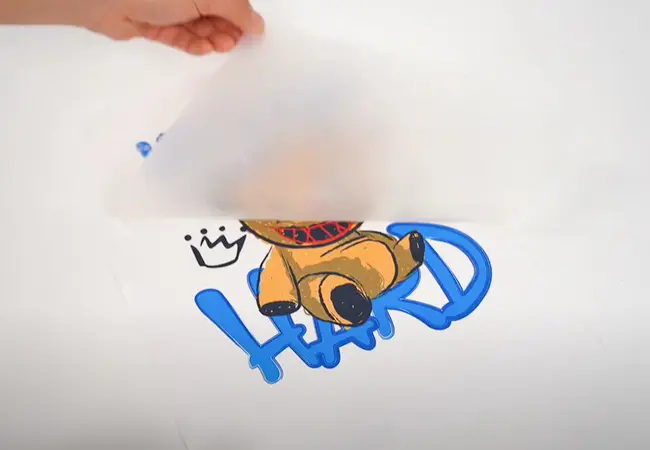
Peeling Techniques: Hot vs Cold Peel Mastery
Peeling is a defining moment in the DTF process. Incorrect technique can ruin an otherwise perfect transfer.
Hot Peel Method
- Peel immediately after pressing
- Faster production workflow
- Requires precise timing and temperature control
Cold Peel Method
- Allow film to cool completely
- Provides more stable and detailed finishes
- Ideal for intricate designs
We select peeling methods based on production speed requirements and design complexity, ensuring optimal results for every application.
Post-Press Finishing for Durability
A second press enhances durability and texture. This step is essential for achieving long-lasting, retail-quality prints.
Post-Press Technique
- Cover design with Teflon sheetor parchment paper
- Press for 5–10 seconds at same temperature
- Apply medium pressure
This process improves:
- Wash resistance
- Surface smoothness
- Ink bonding strength
Common DTF Heat Press Problems and Solutions
Even experienced operators encounter challenges. We address the most common issues with precise solutions.
Peeling or Cracking
- Cause: Low temperature or insufficient pressure
- Solution: Increase temperature or apply firmer pressure
Faded Colors
- Cause: Under-curing or low press temperature
- Solution: Ensure proper curing and raise temperature slightly
Sticky Residue
- Cause: Overheating or incorrect powder
- Solution: Reduce temperature and verify powder quality
Incomplete Transfer
- Cause: Uneven pressure or poor pre-press preparation
- Solution: Ensure flat surface and consistent pressure
By systematically diagnosing each variable, we maintain production stability and minimize material waste.
Advanced Techniques for Premium Results
We refine our process with advanced techniques to achieve superior output quality.
Layered Pressing
For thicker designs, we apply incremental pressing cycles to ensure full adhesion without overheating.
Temperature Calibration
Regular calibration ensures accurate platen temperature, eliminating inconsistencies.
Pressure Mapping
We test platen pressure distribution to avoid uneven transfers across large designs.
Why Mastering DTF Heat Press Matters
The difference between average and exceptional results lies in control, consistency, and refinement. By mastering DTF heat press techniques, we achieve:
- Higher product quality
- Reduced production errors
- Improved customer satisfaction
- Stronger brand competitiveness
DTF is not just a printing method—it is a scalable, high-margin production solution when executed with precision.
We approach DTF heat pressing as a systematic, controlled process where every parameter is optimized for performance. By combining accurate settings, premium materials, and disciplined workflow practices, we consistently produce vivid, durable, and professional-grade prints.
With the right techniques, the DTF heat press becomes a powerful tool for scalable, high-quality garment decoration, delivering results that stand out in a competitive market.
Related:
The Best DTF Transfer Film for Vibrant Prints
Top Benefits of Using DTF Transfer Film in Printing
Why Are My DTF Prints Wrinkling After Washing?
Choosing the Best Fabric for DTF Printing
Can you use DTF film without adhesive powder?
Troubleshooting Common DTF Printing Issues