

Blog
How Long Do Heat Transfers Last?

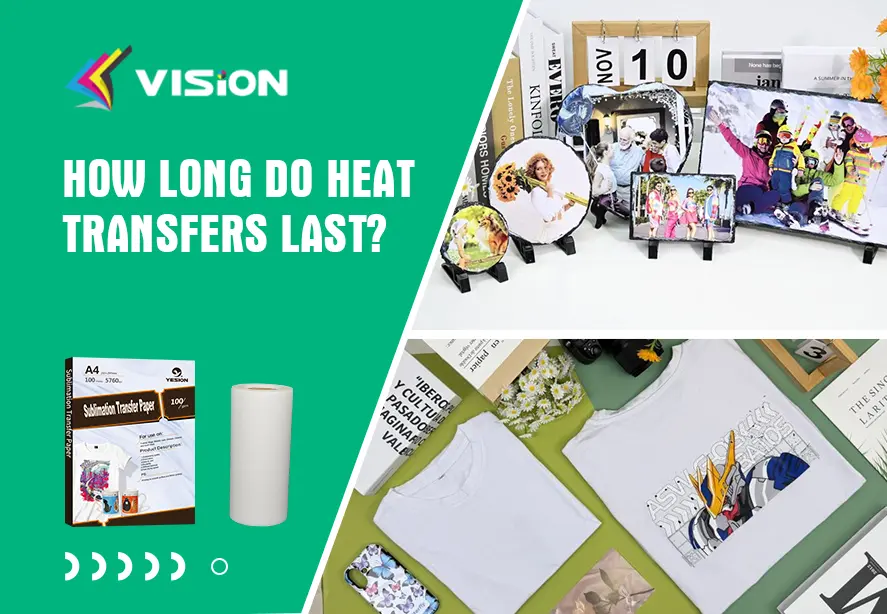
Heat transfers can last anywhere from 20 washes to over 100 washes—but that wide range isn’t random. The lifespan depends heavily on the type of transfer material, application method, and how the garment is cared for.
Here’s a clear breakdown so you know exactly what to expect.
How Long Different Heat Transfers Last
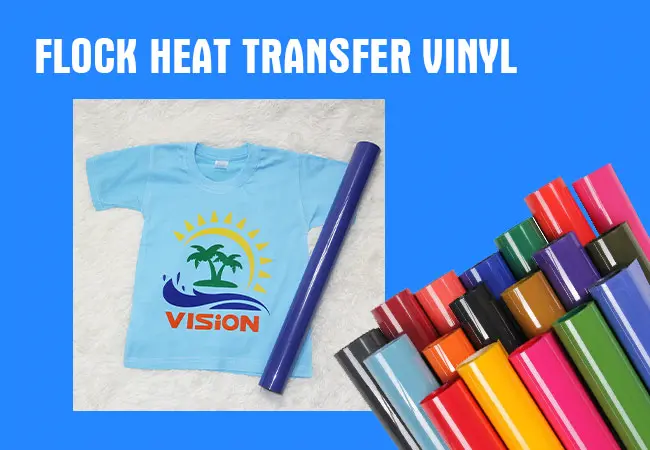
1. Heat Transfer Vinyl
Average lifespan: 50–100+ washes
Durability level: ★★★★★
Heat transfer vinyl is one of the most durable options. When applied correctly, it can last as long as the garment itself.
Why it lasts:
- Thick material bonded with heat and pressure
- Strong adhesion to fabric fibers
- Resistant to cracking and peeling

2. DTF (Direct-to-Film) Transfers
Average lifespan: 40–80 washes
Durability level: ★★★★☆
DTF is known for flexibility and vibrant color, making it ideal for complex designs.
Why it lasts:
- Ink + adhesive powder creates a flexible layer
- Good stretch resistance
- Less cracking than traditional transfers
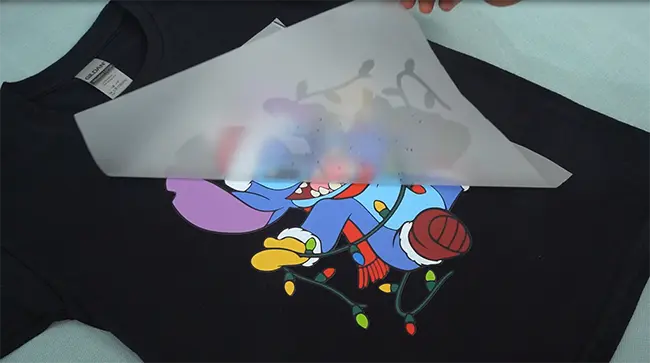
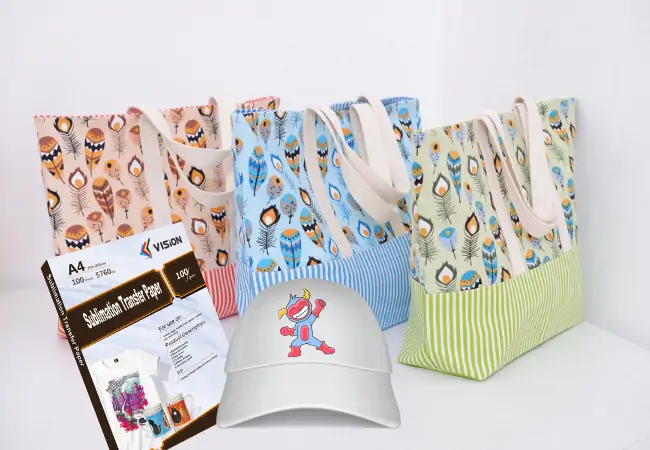
3. Sublimation Transfers
Average lifespan: 100+ washes (virtually permanent)
Durability level: ★★★★★
Sublimation doesn’t sit on top of the fabric—it becomes part of it.
Why it lasts:
- Ink turns into gas and embeds into fibers
- No peeling, cracking, or fading (if done correctly)
- Best on polyester or coated surfaces
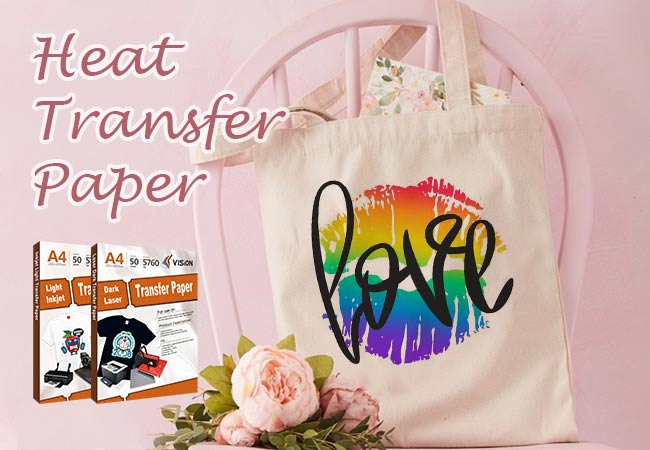
4. Heat Transfer Paper (Inkjet/Laser)
Average lifespan: 20–40 washes
Durability level: ★★☆☆☆
This is the most budget-friendly but least durable option.
Why it wears out faster:
- Sits on top of the fabric
- Prone to cracking and fading
- Sensitive to washing conditions
What Affects Heat Transfer Lifespan
Even the best material can fail if the process is wrong. These factors matter most:
1. Application Quality
- Correct temperature, pressure, and time are critical
- Under-pressing = peeling
- Overheating = damage or fading
2. Fabric Type
- Cotton: good for HTV & DTF
- Polyester: best for sublimation
- Blends can reduce durability
3. Washing & Care
Proper care can double the lifespan:
- Wash inside out
- Use cold or warm water
- Avoid bleach
- Air dry or low heat
Signs Your Heat Transfer Is Wearing Out
- Cracking or flaking
- Fading colors
- Edges lifting or peeling
- Loss of stretch elasticity
Once these appear, the transfer is nearing the end of its life cycle.
How to Make Heat Transfers Last Longer
If you want professional-level durability:
- Use high-quality materials (vinyl, DTF film, sublimation ink)
- Invest in a reliable heat press or oven
- Follow exact pressing instructions
- Avoid overloading designs with thick layers
- Store garments properly
Final Answer: What Should You Expect?
- Best longevity: Sublimation (permanent)
- Best balance: HTV and DTF (40–100+ washes)
- Shortest lifespan: Heat transfer paper (20–40 washes)
If your goal is long-lasting, professional products, HTV, DTF, or sublimation are the clear winners.
Related:
What is difference between sublimation paper and heat transfer vinyl?
Which is better,heat transfer vinyl or DTF?
DTF Printing vs Heat Transfer Vinyl: Which is beneficial for your business?
Heat Transfer Paper vs. Other Printing Methods: Pros and Cons
Difference Between Inkjet Heat Transfer and Sublimation
What fabric is best for heat transfer vinyl?
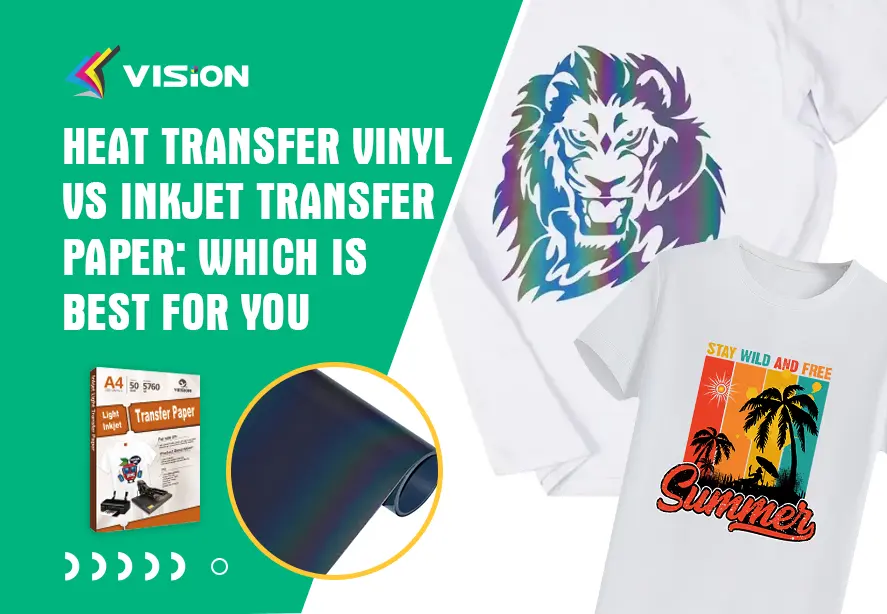
Heat Transfer Vinyl vs Inkjet Transfer Paper: Which Is Best for You