

Blog
Wash & Wear: Sublimation Paper Washability Tips

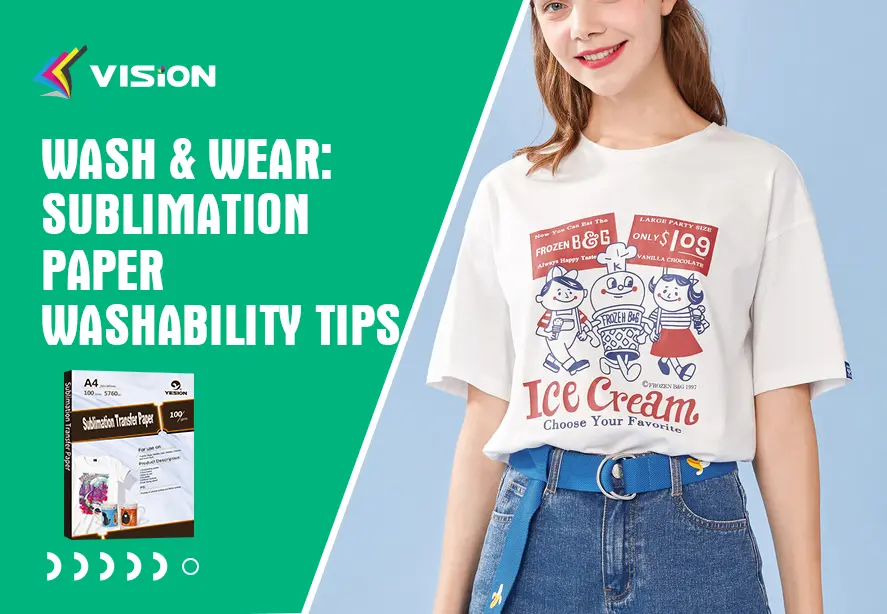
Sublimation printing is widely recognized for its vibrant colors, smooth finish, and long-lasting results. However, achieving excellent durability does not depend on ink and heat alone. Washability is the true test of sublimation paper quality, especially for apparel, textiles, and everyday-use products. We focus on practical, professional tips to ensure sublimation prints maintain their color, clarity, and integrity through repeated wash-and-wear cycles.
Understanding Sublimation Paper Washability
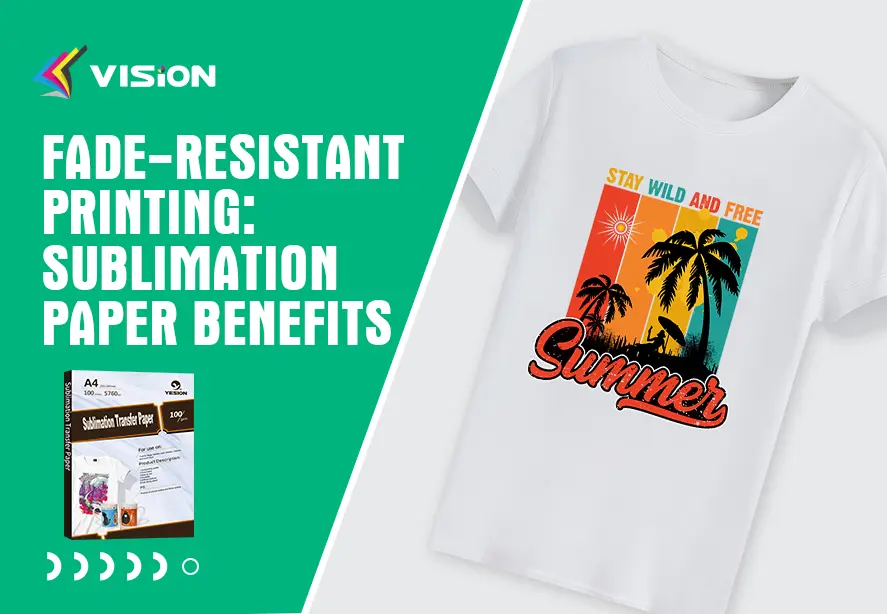
Sublimation is not a surface print. During the heat press process, sublimation ink transforms into gas and chemically bonds with polyester fibers or polymer-coated surfaces. Because the ink becomes part of the material, properly executed sublimation prints do not crack, peel, or fade easily.
Wash durability depends on four core factors:
- Sublimation paper quality
- Ink formulation
- Fabric composition
- Correct heat press parameters
When these factors are optimized, sublimation prints can withstand dozens of washes while maintaining professional appearance.
How to Achieve Excellent Sublimation Printing
Choose High-Quality Sublimation Paper
Not all sublimation paper performs equally. Premium sublimation paper ensures consistent ink release and full color transfer, directly affecting wash resistance.
Key paper characteristics to prioritize:
- High ink load capacity without bleeding
- Fast drying surface to prevent smudging
- Uniform coating for even transfer
- Minimal residual ink left on paper after pressing
Low-grade paper often causes weak transfers, uneven color penetration, and premature fading after washing.
Use Compatible, High-Purity Sublimation Ink
Ink quality plays a critical role in wash durability. High-purity sublimation ink penetrates fibers deeply and bonds permanently, while low-quality ink may sit shallowly and fade faster.
Best practices:
- Use inks specifically formulated for your printer model
- Avoid mixing different ink brands
- Perform regular nozzle checks to maintain ink consistency
- Store ink away from heat and direct sunlight
Stable ink chemistry ensures consistent results across production batches.
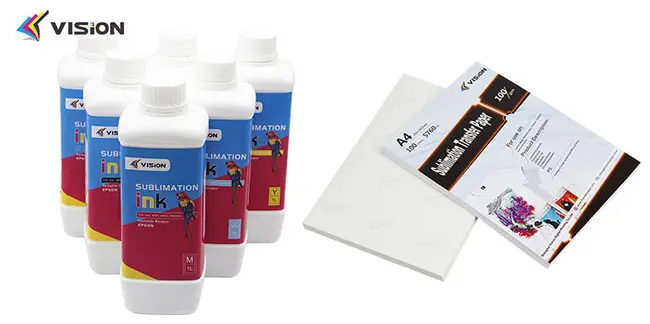
sublimation ink and paper
Related:
What happens if you use regular ink on sublimation paper?
Select the Right Fabric for Long-Lasting Results
Fabric composition directly impacts sublimation wash performance. Sublimation works best on polyester or high-polyester blends.
Recommended fabric guidelines:
- 100% polyester for maximum durability
- At least 65% polyester for acceptable performance
- Light-colored or white fabrics for best color vibrancy
- Smooth, tightly woven surfaces for sharp detail
Natural fibers such as cotton do not bond with sublimation ink unless specially coated, resulting in reduced wash resistance.
Optimize Heat Press Settings
Correct heat, pressure, and time ensure full ink transfer and wash stability. Under-pressing leads to fading; over-pressing causes discoloration or fabric damage.
General sublimation guidelines:
- Temperature: 380–400°F (193–204°C)
- Time: 40–60 seconds
- Pressure: Medium to firm, evenly distributed
Always follow the sublimation paper manufacturer’s recommendations and perform test presses before production runs.
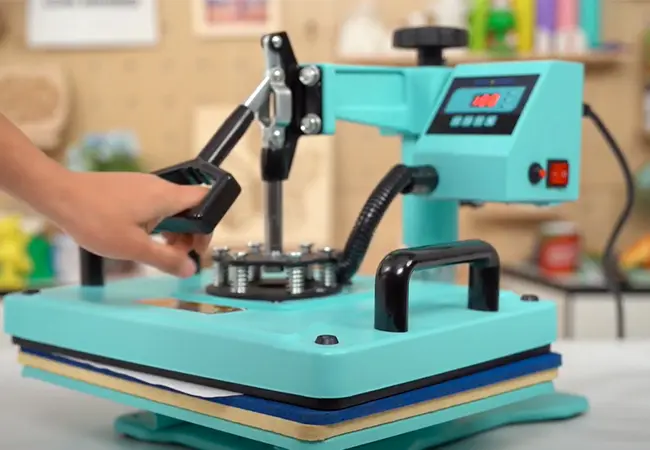
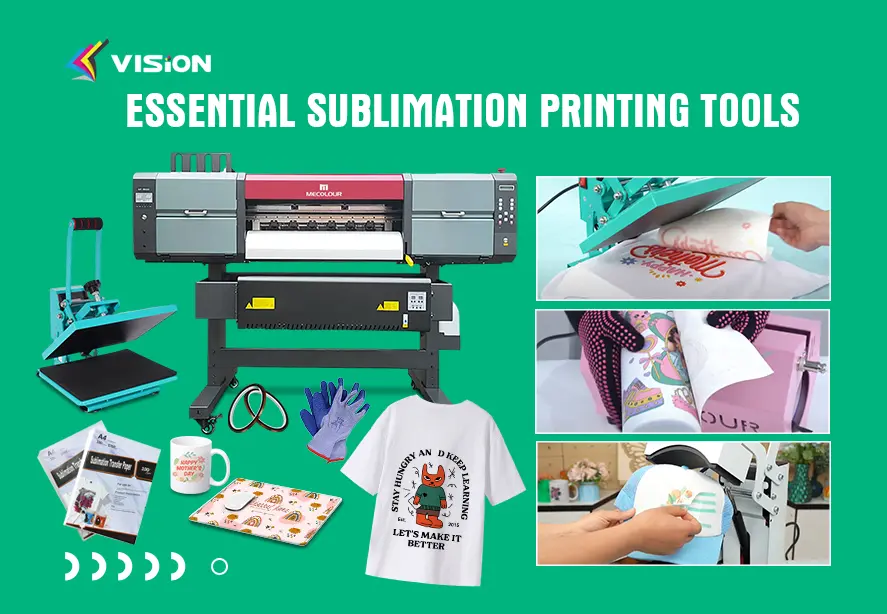
heat press transfer
Allow Proper Cooling and Curing
After pressing, allow the garment to cool naturally before handling. Immediate folding or stacking while hot may affect ink stability.
Cooling tips:
- Lay garments flat after pressing
- Avoid stretching while warm
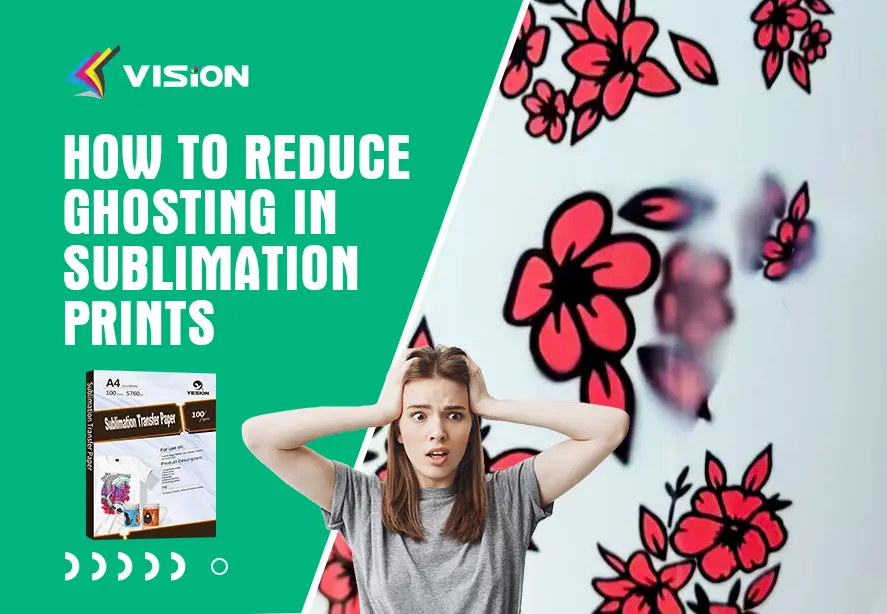
- Remove transfer paper carefully to prevent ghosting
Proper post-press handling contributes to long-term wash durability.
First Wash Timing Matters
The first wash is critical. Wait at least 24 hours before washing sublimated garments to allow the ink-fiber bond to fully stabilize.
This resting period improves resistance to:
- Early color loss
- Uneven fading
- Surface dullness
Skipping this step may reduce the lifespan of the print.
Recommended Washing Instructions
Educating end users on correct washing methods significantly extends sublimation longevity.
Best wash practices:
- Wash garments inside out
- Use cold or lukewarm water
- Select gentle or normal cycles
- Avoid bleach and harsh detergents
- Do not use fabric softeners
These steps preserve both fabric quality and color vibrancy.
Drying Guidelines for Sublimated Apparel
Drying methods can impact sublimation durability as much as washing.
Preferred drying options:
- Air drying for maximum longevity
- Tumble dry on low heat if necessary
- Avoid high-temperature drying cycles
Excessive heat during drying can accelerate color dulling over time.
Common Washability Issues and How to Prevent Them
Fading After Washing
Cause: Low polyester content, under-pressing, or poor ink quality
Solution: Increase polyester percentage and verify heat press accuracy
Dull or Muted Colors
Cause: Incorrect paper coating or excessive moisture
Solution: Store paper properly and pre-press garments to remove moisture
Uneven Wear
Cause: Inconsistent pressure or fabric texture
Solution: Use a heat press pillow or pressing pad for uniform contact
Identifying and correcting these issues early ensures consistent results.
Testing Wash Durability Before Selling
Before launching products, we recommend performing wash tests:
- Wash sample garments 5–10 cycles
- Compare color retention and clarity
- Adjust settings if fading appears early
This proactive step protects brand reputation and reduces customer complaints.
Sublimation printing delivers outstanding durability when executed correctly. By combining high-quality sublimation paper, proper inks, suitable fabrics, precise heat press settings, and correct wash care, businesses can produce garments that truly pass the wash-and-wear test.
We view sublimation paper washability not as an afterthought, but as a core quality standard. When sublimation prints remain vibrant, smooth, and intact wash after wash, they reinforce product value and brand excellence.
Related:
How Can I Improve Sublimation Printing Quality?
Reduce Ghosting in Sublimation Prints
How Long Do Custom Sublimation Transfers Last?